 blog
Alternatives to Painting Over Wallpaper: 5 Options
Table of Contents
- Why Painting Over Wallpaper Isn't Always the Answer
- Ways to Cover Old Wallpaper Without Picking Up a Paintbrush
- How to Remove Wallpaper the Right Way
- Wall Panels Over Wallpaper: A Fast, Reversible Fix
- The Cheapest Way to Cover Wallpaper
- Room-by-Room and Condition-Based Guidance
- Frequently Asked Questions
Last Updated: October 15, 2026
Why Painting Over Wallpaper Isn't Always the Answer
Painting over wallpaper is faster than stripping it, but only works when the paper is fully bonded. We've seen latex go onto loose paper: seams lift, bubbles appear, then the whole thing peels in sheets.
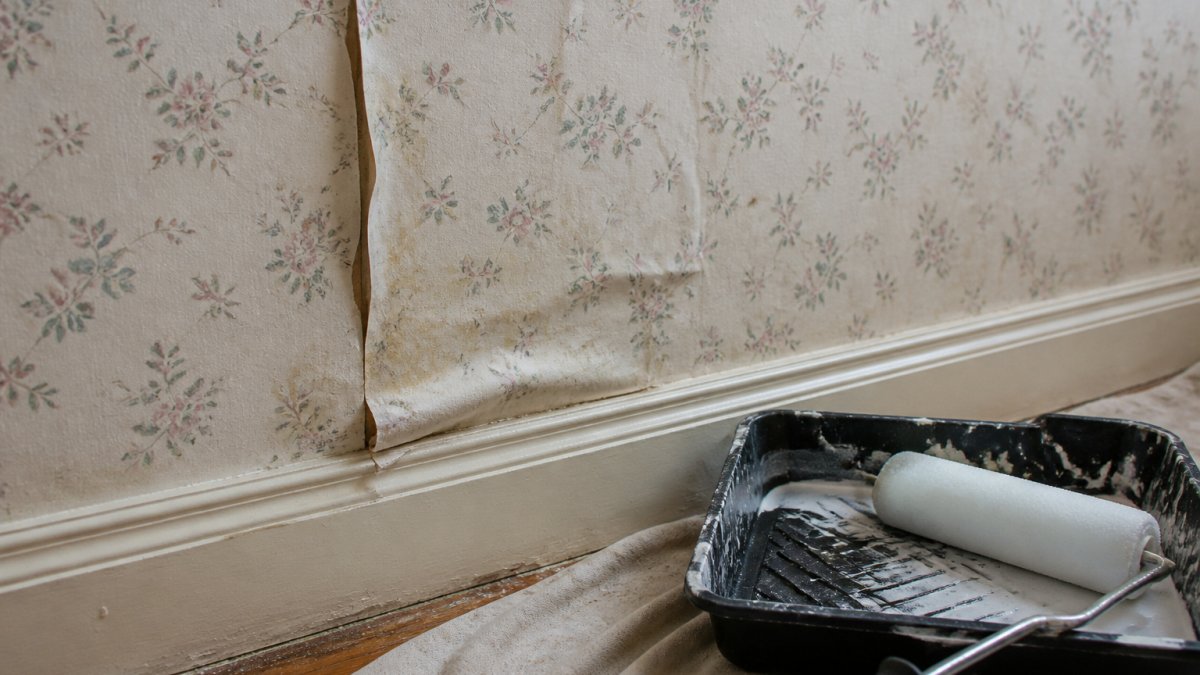
Most guides skip this: wallpaper adhesive is water-soluble and latex paint is water-based, so moisture from fresh paint reactivates the old paste and the paper lets go from the inside.
Below: five alternatives to painting over wallpaper, ranked by cost, difficulty, and reversibility, plus when covering old wallpaper works and when it's a mistake you'll pay to fix twice.
When Covering Old Wallpaper Works
Covering old wallpaper works when the paper is tight, the seams are flat, and the wall behind it is dry. Run your hand across the surface: crackling or give means the paper is separating, and no coating will hold it down.
Vinyl-coated wallpaper is the exception: it's non-porous, so moisture can't reach the paste. Even so, seal the seams and any lifted edges first with a shellac-based primer, which blocks moisture and the tannins that cause brown bleed-through.
When It Fails
It fails in three predictable situations: paper that's already peeling, wallpaper applied directly to bare drywall, and textured or embossed paper you're hoping to hide under flat paint.
Embossed patterns are the sneaky one: a flat finish won't conceal the relief, every ridge shows through, and the texture collects dust. If the pattern is raised, you need a skim coat or a different approach.
- Peeling or bubbling paper: remove it. Paint accelerates the failure.
- Bare drywall underneath: the paste has soaked into the paper face; stripping will damage the board.
- Embossed or textured paper: skim coat, panel over it, or remove it.
Ways to Cover Old Wallpaper Without Picking Up a Paintbrush
Several ways to cover old wallpaper skip paint entirely, and most are reversible. Wall decals, stencils, pattern rollers, limewash, and Venetian plaster each solve a different problem. The trade-off is always the same: the less prep you do, the shorter the lifespan.
Here's the ranked read, ordered from most reversible and lowest commitment to most permanent:
| Method | Relative Cost | Time | Reversible? | Skill Level | Best For |
|---|---|---|---|---|---|
| Peel-and-stick wall decals | Lowest | A few hours | Yes | Beginner | Rentals, kids' rooms, accent walls |
| Wall stencils | Low | 1-2 days | No | Beginner to intermediate | Accent walls, tight smooth paper |
| Pattern rollers | Low | 1-2 days | No | Intermediate | Large walls, repeating motifs |
| Wall panels (shiplap, beadboard, MDF) | Mid | 1 weekend | Yes | Intermediate | Damaged, textured, or loose paper |
| Limewash | Mid | 2-3 days | No | Intermediate | Smooth walls, feature rooms |
| Venetian plaster | Mid to high | 3-4 days | No | Advanced | Smooth walls, high-end feature rooms |
Wall Decals, Stencils, and Pattern Rollers
Wall decals are the fastest, most rental-friendly option: removable vinyl shapes or full murals that press on and peel off clean. They hold well on tight wallpaper but pull loose paper down, so test a corner first.
Wall stencils give you a painted pattern without full coverage: tape the stencil, roll or brush through it, reposition. Stencil edges need a flat, stable surface, and any bubbling telegraphs through the pattern.
Pattern rollers work like a paint roller with a carved design, quicker than stencils on large walls, producing a repeating motif.
Decorative Finishes: Limewash and Venetian Plaster
Limewash is a mineral-based finish with a soft, mottled, chalky look. It's thin, so it follows the wall's texture rather than hiding it: intentional on smooth wallpaper, a mistake on embossed paper.
Venetian plaster is a troweled finish built up in thin layers, thick enough to bridge small imperfections and producing a polished, marble-like depth.
Both finishes are decorative, not protective. Neither seals seams, so fix loose paper first, and neither is reversible without damaging the paper underneath, treat them as permanent commitments.
The Reversibility Test
Before you pick a method, ask one question: does this need to come off later without wrecking the wall? If yes, your list narrows to decals and panels. Everything else, stencils, rollers, limewash, plaster, and paint itself, bonds to or through the paper and takes it along when removed.
How to Remove Wallpaper the Right Way
Removing wallpaper is the only permanent fix, and it's less painful than most people expect if you prep correctly. The mistake is attacking dry paper with a scraper. You'll gouge the drywall and spend the next weekend patching.
Tools and Steps
Gather these before you start:
- Chemical wallpaper stripper or fabric softener mixed with hot water
- Scoring tool or paper tiger
- Wide putty knife and a stiff plastic scraper
- Spray bottle or pump sprayer
- Drop cloths and painter's tape
- Sponge and warm water for adhesive residue
- Score the paper. Run a scoring tool over the surface so stripper can reach the adhesive. Skip this on vinyl paper, which needs the top layer peeled first.
- Spray stripper or hot water. Work in sections of a few feet. Let it sit 10 to 15 minutes.
- Scrape at a shallow angle. Hold the putty knife almost flat to the wall and push, don't dig.
- Re-wet stubborn spots. Glue that's been on the wall for decades needs a second pass.
- Wash the wall. Sponge off remaining adhesive with warm water. Any paste left behind will stop primer from bonding.
- Let it dry fully, then prime. A shellac-based or oil-based primer seals the surface before paint.
Wall Panels Over Wallpaper: A Fast, Reversible Fix
Wall panels over wallpaper are the fastest way to hide a wall you don't want to deal with, and they're fully removable.
The catch is thickness: panels add roughly a half inch to three quarters of an inch, throwing off door casings, outlet boxes, and trim. You'll need box extenders and a plan for the edges.
Where panels win is rentals and short timelines: a homeowner preparing to sell can cover a bad wall in a weekend and pull it down later without touching the paper underneath.
For a room-by-room read on what makes sense, see the condition guidance below.
The Cheapest Way to Cover Wallpaper
The cheapest way to cover wallpaper is to seal it and paint it, provided the paper is tight. Primer plus paint costs less than panels, plaster, or professional removal and takes a weekend.
Here's the order that works:
| Option | Relative Cost | Time | Reversible? | Best For |
|---|---|---|---|---|
| Seal and paint | Lowest | 1 weekend | No | Tight, smooth paper |
| Stencils or rollers | Low | 1-2 days | No | Accent walls |
| Wall decals | Low | A few hours | Yes | Rentals, kids' rooms |
| Wall panels | Mid | 1 weekend | Yes | Damaged or textured walls |
| Limewash or plaster | Mid to high | 2-4 days | No | Smooth walls, feature rooms |
| Professional removal | Highest | 2-5 days | N/A | Loose, peeling, or vinyl paper |
The cheap route fails when you skip primer. A shellac-based or oil-based primer stops the paste from reactivating and the seams from bleeding through; water-based primer over old paste is the most common reason a budget repaint looks bad within a year.
Room-by-Room and Condition-Based Guidance
Match the method to the room and the paper's condition, not to what's trending. A tight, smooth hallway wall can take paint; a steamy bathroom with vinyl paper needs removal or sealing plus a moisture-resistant topcoat. The room decides the moisture load, the paper decides whether any coating will hold.
By Room
Bathrooms. Steam is the enemy, and even sealed wallpaper can fail at the seams within a year without good ventilation.
Kitchens. Cooking grease and humidity do the same work as bathroom steam, just slower, so wipe-down durability matters most.
High-traffic rooms (hallways, stairs, kids' rooms). Scuffs and handprints are the issue.
Bedrooms and low-moisture rooms. The widest range of options works here, including limewash and plaster, because there's no steam load and less wear.
By Wallpaper Condition
- Tight paper, smooth surface, dry room: seal and paint. Cheapest, fastest, looks clean.
- Tight paper, textured surface: skim coat or panel over it. Paint will highlight every ridge.
- Loose or peeling paper anywhere: remove it. No coating holds loose paper down.
- Vinyl-coated paper: non-porous, so moisture can't reach the paste, but seams still lift. Seal the seams and any lifted edges with shellac primer before anything else.
- Multiple layers of paper: each layer adds weight and hides the condition of the one below. Strip down to a single layer or bare wall before covering, or the whole stack can delaminate together.
- Paper applied directly to bare drywall: the paste has soaked into the paper face; stripping will damage the board. Paneling or a skim coat is usually safer than removal.
- Rental: decals or panels. Both come down without damaging the paper.
- Pre-sale refresh: panels or a professional repaint. Speed matters more than permanence.
Durability and Maintenance
How long each option lasts depends on prep and moisture, but the pattern is consistent. Sealed and painted paper in a dry room can hold for years; the same paint in a steamy bathroom may fail within a year. Panels last as long as the wall behind them. Decals last until you peel them.
One more consideration: any covering you add makes future removal harder. Paint, stencils, rollers, limewash, and plaster all bond to the paper, so the next renovation starts with stripping everything, not just the original wallpaper. Panels and decals leave the paper intact.
Safety and Substrate Checks
Before you disturb any wall in a pre-1978 home, the EPA's guidance on lead-safe renovation applies. Disturbing painted wallpaper in an older home can release lead dust, so test before you scrape. the CDC's lead paint resources cover the same ground for homeowners. Separately, if you see soft spots, dark staining, or a musty smell behind a loose seam, stop, that's moisture or mold, and covering it traps the problem. Fix the water source and the substrate before any finish goes on.
Frequently Asked Questions
What is the cheapest way to cover up wallpaper?
Painting over wallpaper with a shellac-based primer and latex paint is typically the lowest-cost option, since it skips removal labor and disposal. If the wallpaper is firmly bonded and free of seams, this approach can save significant time and money. For a budget-friendly reversible option, consider wall decals or a single accent wall of peel-and-stick panels. Always test a small area first to confirm the adhesive holds.
Can you put wall panels over wallpaper?
Yes, wall panels can go directly over wallpaper if the paper is tight and the surface is flat. First, seal any peeling edges with wallpaper adhesive and let it dry. Then install a thin underlayment or furring strips if the wall is uneven. This method is popular for rentals because panels can be removed later without damaging the original wallpaper. It also hides seams and small imperfections quickly.
Is it better to remove wallpaper or cover it?
It depends on the wallpaper's condition and your timeline. If the wallpaper is peeling, bubbling, or has visible seams, removal is the safer choice because paint or panels will amplify those flaws. If the paper is firmly bonded and you want a fast refresh, covering it with primer and paint or panels works well. Removal takes more time and creates mess, but it gives you a clean wall surface for any finish.
How do you remove wallpaper without damaging the wall?
Score the paper with a scoring tool, then spray it with hot water or a chemical wallpaper stripper. Let it sit for 15 minutes, then peel from the bottom up using a wide putty knife. For stubborn adhesive, reapply stripper and scrape gently. Rinse the wall with clean water and let it dry completely before patching or priming. Avoid over-saturating drywall, which can damage the paper facing.