
 listicle
10 Best Exterior Paint Colors for Chicago Homes
Table of Contents
- 10 Best Exterior Paint Colors for Chicago Homes
- How to Choose Exterior Paint Colors That Work in Chicago Weather
- Best Exterior Paint Colors for Brick Houses
- Exterior Paint Colors for Bungalows and Other Chicago Architectural Styles
- Best Trim Colors for House Exteriors
- Local Rules, Historic Districts, and Paint Durability
- Frequently Asked Questions
Last Updated: October 8, 2026
10 Best Exterior Paint Colors for Chicago Homes
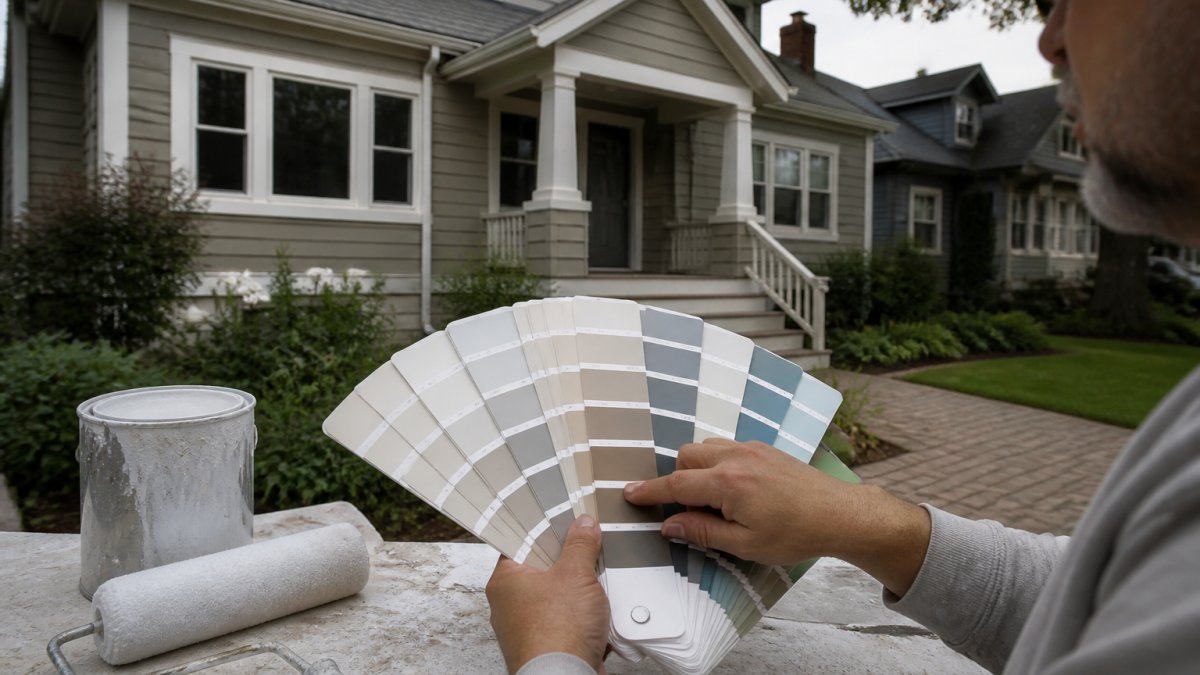
Choosing the right exterior paint colors is one of the highest-return decisions a homeowner can make, and in Chicago the stakes are higher than most places. This guide from Always Pro Painters offers insights into exterior paint colors for Chicago homes, considering how each shade performs against lake-effect weather, masonry walls, and the city's mix of bungalows, greystones, and worker cottages.
How We Ranked These Colors
These colors are often considered based on factors such as how they hold up to Chicago's freeze-thaw cycles and summer sun, how they pair with brick and stone that can't be repainted, how they look across the city's architectural styles, and how reliably they boost curb appeal at resale.
Here's the short version before the detail:
| Rank | Color | Best For | Why It Works Here |
|---|---|---|---|
| 1 | Warm greige | Brick bungalows | Softens red brick, hides road dust |
| 2 | Soft white | Trim and full repaints | Crisp against masonry, classic |
| 3 | Universal Khaki (SW 6150) | Warm-neutral fans | Earthy neutral direction |
| 4 | Sage green | Bungalows, cottages | Pairs with landscaping |
| 5 | Navy | Accent doors, siding | Strong contrast on light brick |
| 6 | Charcoal | Modern and greystone | Anchors light trim |
| 7 | Cream | Older homes | Warm without going yellow |
| 8 | Taupe | Suburban siding | Forgiving of weathering |
| 9 | Bronzy brown | Stone and brick | Ties to existing masonry tones |
| 10 | Rich green | Statement homes | Deep, saturated, timeless |
How to Choose Exterior Paint Colors That Work in Chicago Weather
The best way to choose exterior paint colors for a Chicago home is to test them on your actual walls in real light, then pick a finish built for the climate. Chicago throws everything at a paint job: bitter winter cold, humid summers, and freeze-thaw swings that punish a weak film. A color that reads perfectly in a showroom can look muddy or washed out on your street.
Start with these steps:
- Check your fixed materials first. Roof, brick, and stone aren't changing. Pull your palette from them.
- Note your exposure. South and west walls take the most sun and fade fastest.
- Order large samples, not tiny chips.
- Paint test patches on two sides of the house.
- Live with them for a few days before committing.
Test Colors in Real Conditions
Paint test patches at least a foot square, on two different walls, and look at them morning, midday, and evening. Chicago's overcast days matter as much as sunny ones, since a color that looks warm in sun can turn gray under cloud cover. Check the patches against your roof and any brick you're keeping. If a color looks good in all three light conditions and next to your fixed materials, it'll hold up on the full house. This is the single step most homeowners skip, and it's the one that prevents expensive repaints.
Best Exterior Paint Colors for Brick Houses
For brick houses, the best exterior paint colors are warm neutrals that complement the brick rather than fight it: greige, taupe, cream, and bronzy brown all work well. Painting brick is a big commitment, so most Chicago homeowners keep the brick and repaint only the trim, siding, and doors. That makes coordination the whole game.
Guidance from Architectural Digest's exterior house color gallery points toward saturated neutrals, deeper khakis, rich greens, and bronzy browns, with white used as an accent. That's a smart frame for brick. Let the masonry lead, then choose a trim that either blends or contrasts on purpose. On red brick, a warm greige or taupe trim softens the red without clashing. On lighter brick, a deeper trim adds definition. Skip anything with a strong competing undertone, like a cool blue-gray against orange-red brick, unless the contrast is deliberate.
Exterior Paint Colors for Bungalows and Other Chicago Architectural Styles
Match the color to the architecture, not to a trend. A Chicago bungalow wears warm, earthy shades well: sage green, warm gray, cream, and greige all suit its low profile and wide eaves. Greystones and two-flats reward stronger contrast, so navy, charcoal, or a deep green against light stone trim looks intentional. Sun Painting's guide to Chicago-area home colors groups warm whites, taupes, greige, sage green, and warm grays as leading directions, with deep blues and navies for accents. We'd add one rule: on a block of similar homes, choose a shade that reads as a neighbor, not a billboard. Distinctive is good; jarring isn't.
Best Trim Colors for House Exteriors
The best trim colors for house exteriors are soft whites and creams, because they frame the main color without competing with it. But on a block of greystones, brick two-flats, and bungalows, trim is rarely a free choice, it has to coordinate with masonry, roofing, and neighboring homes that aren't going anywhere. That constraint is what separates a trim palette that looks intentional from one that looks like a paint-store accident.
Start with the fixed materials. Pull your trim direction from the roof, the brick, and the stone, then let the body color follow. A few patterns hold up again and again:
- Red or orange-red brick: warm greige, taupe, or cream trim softens the red without clashing. A bright, cool white against warm brick reads harsh in our light, it's the single most common trim mistake we see.
- Buff, tan, or light brick: a deeper trim, charcoal, deep green, or a saturated navy, adds definition the brick can't provide on its own.
- Greystone and limestone: these are cool, gray-beige stones, so warm whites and creams can look yellow against them. A soft white with a neutral or slightly cool undertone, or a deep charcoal trim, tends to sit better.
- Dark roofing (architectural shingle, slate-look): a crisp white or cream trim sharpens the edges and keeps the roofline from swallowing the facade.
- Light roofing: a slightly warmer trim keeps the house from looking washed out from the street.
For the body color itself, Benjamin Moore's white palette is a reliable starting point, and HomeLight's house color guide names Chantilly Lace and White Dove as soft whites that stand the test of time. Both work as trim on warm bodies. For darker bodies, a crisp white trim sharpens the edges; for warm bodies, a cream trim keeps things soft.
A practical rule: pick the trim and body colors at the same time, not sequentially. Trim does more for curb appeal than most homeowners expect, and a body color chosen in isolation often forces a trim compromise. If you're keeping the brick, the trim is doing the heavy lifting, treat it as the primary decision, not the afterthought.
Local Rules, Historic Districts, and Paint Durability
Check local rules before you buy paint, because exterior color changes are regulated in more places than most homeowners realize. In many older neighborhoods, exterior alterations, including paint on masonry, are reviewed against design guidelines, and approval can add weeks to a schedule. The practical move is to confirm requirements with your local building department or landmark commission before work starts, and to ask specifically whether paint color is a reviewable item or only a courtesy notification. If you're in a homeowners association, get the architectural review approval in writing before the first can of paint is opened. A color that fails review after the fact is an expensive repaint.
Durability is the other half of the decision, and it's where color and chemistry meet. Finish selection matters as much as color. A quality exterior finish formulated for your specific substrate holds up far better through freeze-thaw cycles than a budget product, and the substrate determines which finish is right:
- Wood siding and trim: a flexible acrylic or acrylic-alkyd finish moves with the wood through seasonal expansion and contraction. A rigid, brittle film cracks at the seams first.
- Masonry and brick: breathable finishes matter. A film that traps moisture inside masonry can drive efflorescence and spalling, especially on walls that take driving rain. If you're painting previously unpainted brick, that's a one-way decision, confirm it's the right one before you commit.
- Fiber cement and engineered siding: these hold paint well but still need a quality exterior acrylic; the factory primer is a starting point, not a finish.
- Metal and previously painted surfaces: prep and primer compatibility drive longevity more than the topcoat brand.
Finish sheen is a separate lever. Flat and matte finishes hide surface imperfections on older siding and masonry, but they're harder to clean and show chalk and dirt more readily. Satin and low-luster finishes are more washable and more forgiving on high-traffic elevations, but they highlight waviness in older substrates. On a bungalow with original wood siding, flat is often the right call; on a newer home with smooth fiber cement, satin usually looks better longer.
Prep drives longevity too. Detailed surface preparation, patching, and priming is what keeps a paint job looking sharp for years instead of months. That's the difference between a repaint and a redo.
Frequently Asked Questions
What are the top 10 most popular exterior paint colors for Chicago homes?
The most requested colors in the Chicago area include warm whites like Benjamin Moore White Dove, greige and taupe shades, Sherwin-Williams Universal Khaki SW 6150, sage green, deep navy, charcoal, and rich brown. These exterior paint colors work because they hold up against Midwest weather and coordinate with brick, stone, and existing roof colors. Warm neutrals dominate because they flatter both masonry and siding without looking dated.
Which exterior paint colors work best with red brick?
Red brick pairs well with warm neutrals, soft whites, and earthy greens. Cream and warm white trim creates contrast without fighting the brick's tone. Sage green and deeper earthy greens complement red brick's warm undertones, while charcoal and bronzy brown can work on shutters and doors. Avoid cool grays and stark whites, which can make red brick look orange by comparison. Test samples against the actual brick before committing.
How do I choose an exterior paint color for a Chicago bungalow?
Chicago bungalows typically feature brick or stucco, wide eaves, and prominent front porches, so colors should highlight those architectural details. Warm earthy tones like taupe, greige, and khaki suit brick bungalows, while soft whites and sage greens work on stucco. Pick a trim color that contrasts enough to define the porch columns and window frames. Test your exterior paint colors in real daylight on each side of the house before finalizing.
What trim colors pair well with a neutral house exterior?
Crisp white trim is the classic pairing for warm neutrals, taupe, and greige exteriors. For deeper body colors like navy or charcoal, white trim sharpens the contrast, while cream trim softens it. Dark trim on a light body has become popular on Chicago homes with brick or stone accents. The best trim colors for house exteriors depend on your roof color and masonry, so sample both together before painting.
How can I test exterior paint colors before painting my house?
Paint large sample boards or apply patches directly to a few exterior walls, then watch them across two or three days. Morning light, afternoon sun, and overcast skies all shift how a color reads, and Chicago's seasonal light changes it further. Compare samples next to your brick, roof, and neighboring homes. Always test the body color and trim color side by side, since exterior paint colors change when paired with different accents.
Chicago's weather, brick, and architecture make exterior color a real decision, not a cosmetic one. When you're ready to get it right, Always Pro Painters handles the full job: detailed surface preparation for a clean foundation, clean lines and a solid finish with no shortcuts, and a final walkthrough to confirm every detail. Get your free estimate and a finish built around the finish, not the rush.