
 ultimate-guide
Interior Painting Cost Breakdown: 2026 Guide
Table of Contents
- Understanding Interior Painting Cost Fundamentals
- Interior Painting Labor Cost Per Square Foot Explained
- Material Expenses: Paint Quality and Finish Tiers
- Interior Painting Prep Work Checklist and Hidden Costs
- Cost Breakdown by Room Type and Complexity
- How to Get an Accurate Painting Estimate
- Regional Labor Cost Variance and Project Timeline
- What Affects Your Final Quote: Common Variables
- Frequently Asked Questions
Last Updated: October 1, 2026
Understanding Interior Painting Cost Fundamentals
The interior painting cost varies dramatically based on square footage, labor rates, material quality, and project complexity. Understanding core cost drivers upfront prevents sticker shock when quotes arrive.
Project scope drives cost: a 1,200-square-foot condo with flat drywall costs far less than the same square footage with vaulted ceilings and built-in cabinets. Labor typically represents 70-80% of total cost, while materials make up the remainder.
Surface preparation is where most hidden costs emerge. Cracked drywall, peeling paint, or uneven surfaces demand repair work before painting. The prep phase determines whether paint adheres properly and maintains appearance for years.
Interior Painting Labor Cost Per Square Foot Explained
Labor forms the backbone of your interior painting labor cost per square foot calculation. Professional painters charge by the hour or by project scope. Typical residential projects require two to five days depending on room count, wall condition, and detail work.
Contractors account for masking, protecting fixtures, moving furniture, and surface preparation. A pristine 500-square-foot bedroom costs less than a 500-square-foot living room with built-in shelving, crown molding, and textured walls.
Regional variation in labor rates significantly impacts your final bill.
Material Expenses: Paint Quality and Finish Tiers
Paint selection drives material costs and longevity. Budget paint requires additional coats; premium formulations provide better hide, durability, and color retention with fewer coats.
Paint Grade and Sheen Options
Contractor-grade paint is economical but requires three coats and may show color variation. Professional-grade offers better durability and washability. Premium paint provides superior hide and longevity for high-traffic areas.
Primer Application and Coverage
Primer seals stains, blocks tannin bleed-through, and provides adhesion. Skipping primer leads to poor coverage and premature failure. Quality primer is essential to project success.
Interior Painting Prep Work Checklist and Hidden Costs
Prep work determines whether your project delivers a professional finish. The interior painting prep work checklist includes surface inspection, repair, cleaning, protection, and priming.
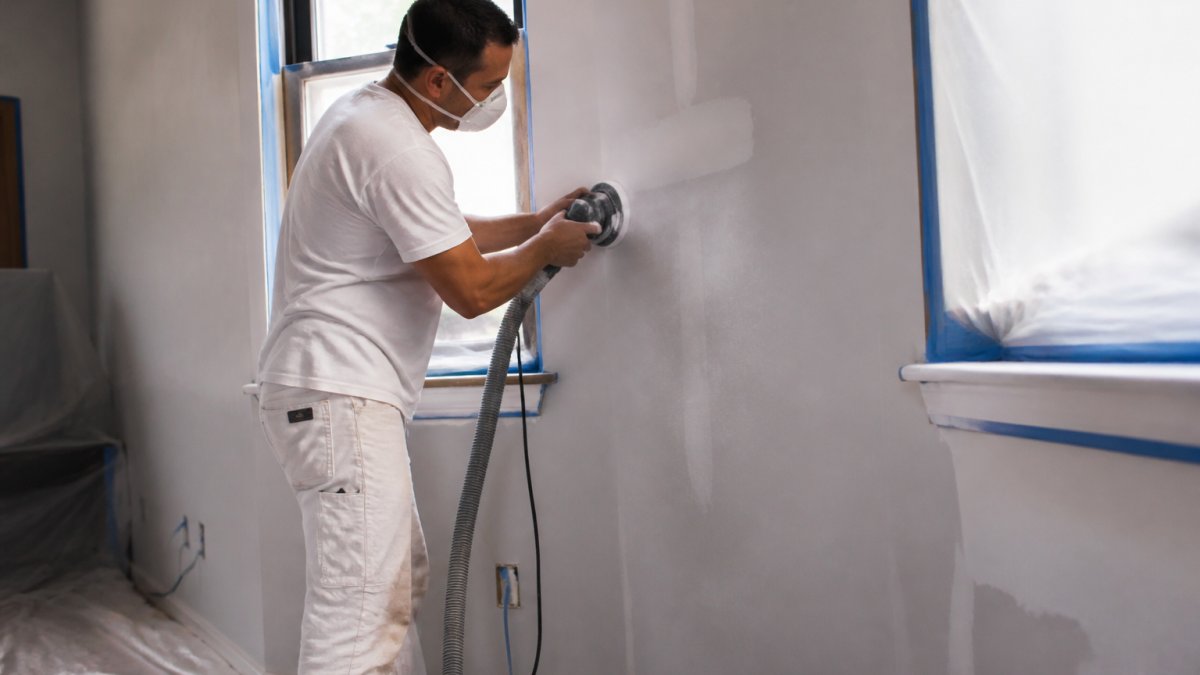
Surface Preparation Steps
Inspect walls for damage and existing paint condition. Glossy finishes require sanding. Loose or peeling paint demands removal before priming. Well-maintained walls need only light cleaning and spot-priming.
Drywall Repair and Caulking
Small holes require spackling compound; larger damage demands drywall patches with cutting, taping, mudding, and sanding. Rooms with minor dings cost far less to prep than those with significant damage.
Cost Breakdown by Room Type and Complexity
Different rooms present different challenges and therefore different costs. A bedroom with simple walls and minimal trim costs less per square foot than a kitchen with cabinets, trim, and complex layouts requiring careful masking and detailed brushwork.
Standard Walls vs. Trim, Molding, and Baseboards
Standard wall painting involves rolling paint on flat surfaces, which is relatively straightforward. Trim, molding, and baseboards require hand-brushing for clean lines and proper coverage. Baseboards demand extra attention because they're at eye level and show imperfections clearly. Crown molding, when present, adds complexity because it requires proper masking, careful brushing, and often working at height or using scaffolding.
Ceiling Painting and High-Complexity Layouts
Ceiling painting presents physical challenges that increase labor time. Painters working overhead fatigue faster, require proper scaffolding or ladders, and must work carefully to avoid drips and ensure even coverage. Vaulted or cathedral ceilings multiply these challenges and add significant cost.
| Room Type | Complexity Level | Labor Intensity | Typical Additional Factors |
|---|---|---|---|
| Bedroom (flat walls, basic trim) | Low | Standard | Minimal prep, simple masking |
| Living Room (varied ceiling, trim) | Medium | Moderate | Crown molding, careful trim work |
| Kitchen (cabinets, detailed trim) | High | Extended | Cabinet protection, detailed masking |
| Master Suite (vaulted, built-ins) | Very High | Intensive | Scaffolding, complex layouts, multiple finishes |
How to Get an Accurate Painting Estimate
A professional estimate accounts for square footage, surface condition, prep requirements, paint selection, and labor timeline. Always Pro Painters provides detailed estimates that break down labor, materials, and specific scope items so you understand exactly what you're paying for. Vague estimates that lack detail often signal contractors who haven't properly evaluated your project.
Regional Labor Cost Variance and Project Timeline
Labor rates vary significantly based on geographic location, contractor experience, and local market conditions. Urban areas typically command higher rates than rural regions. Established contractors with strong reputations often charge premium rates justified by superior results and reliability. Seasonal demand also affects pricing, spring and summer typically see higher rates than fall and winter when demand decreases.
What Affects Your Final Quote: Common Variables
Multiple factors beyond square footage influence your final painting cost. Understanding these variables helps you evaluate quotes and make informed decisions about where to invest in quality versus where budget consciousness is appropriate.
Wall Texture, Existing Paint Condition, and Masking Requirements
Textured walls require more paint and more careful application than smooth drywall. Popcorn ceilings, textured walls, or heavily textured finishes demand additional material and labor time. Existing paint condition dramatically affects prep work requirements. Well-maintained existing paint requires minimal prep. Peeling, cracking, or glossy paint demands extensive surface preparation before new paint application.
Color Consultation and Multiple Coats
The interior painting cost breakdown requires evaluating labor, materials, surface condition, and project complexity. A professional contractor provides a detailed estimate that accounts for these variables and explains why their pricing reflects the scope of work. Always Pro Painters delivers comprehensive estimates backed by meticulous surface preparation, quality materials, and experienced craftsmanship. Our process prioritizes the finish over rushing through jobs, ensuring your investment in professional painting delivers results that enhance your space and maintain their appearance for years.
Frequently Asked Questions
How much should it cost to paint the interior of a 2,000 square foot house?
Interior painting cost depends on square footage, prep work required, paint quality, and regional labor rates. A 2,000 square foot house typically involves material expenses, labor costs per square foot, and surface preparation. The total varies based on ceiling height, trim complexity, existing wall condition, and whether drywall repair is needed. Request a contractor quote for an accurate estimate tailored to your specific project scope and location.
What factors influence the total cost of interior painting?
Multiple factors affect your final quote: square footage, labor costs, material expenses, surface preparation requirements, paint grade and sheen selection, drywall repair needs, ceiling height, trim and molding complexity, existing paint condition, wall texture, and regional labor variance. The scope of prep work, including sanding, caulking, and masking, significantly impacts pricing. Professional painters also consider project timeline, color consultation needs, and whether multiple coats are required.
How do professional painters calculate labor versus material costs?
Professional painters typically quote labor and material expenses separately. Labor costs are based on square footage, hourly rates, and estimated project duration, while material expenses cover paint, primer, supplies like drop cloths and masking tape, and repair materials. The ratio varies by project complexity, simpler jobs may have higher material percentages, while prep-intensive projects require more labor. A detailed estimate breaks down both components so you understand where your investment goes.
Is it cheaper to provide your own paint for professional projects?
Providing your own paint typically doesn't reduce total cost significantly. Professional painters account for paint coverage per gallon, specific sheen requirements, and primer application in their estimates. Supplying paint may create liability issues if coverage falls short or finish quality is compromised. Painters often include material markup in quotes. Discuss paint options and quality tiers with your contractor, they can recommend appropriate grades and finishes for your walls, ceilings, and trim based on your budget.
Does the condition of my drywall affect the final painting quote?
Yes, drywall condition significantly impacts cost. Walls requiring extensive repair, patching, sanding, and caulking increase labor time and material expenses. Minor imperfections need minimal prep work, while damaged or textured drywall demands surface preparation before primer application. Contractors assess wall condition during the estimate process to account for repair costs. Providing photos of problem areas helps painters give accurate quotes and ensures your final finish meets expectations without unexpected charges.
What is the average cost per square foot for interior painting?
Interior painting labor cost per square foot varies by region, project complexity, and paint quality. Costs depend on whether you're painting walls only or including ceilings, trim, and doors. Surface preparation, existing paint condition, and ceiling height influence per-square-foot pricing. Regional labor variance means costs differ across markets. Rather than relying on national averages, get a contractor quote specific to your location, room layout, and project scope for accurate budgeting.
How can I get an accurate painting estimate for my home?
Provide contractors with detailed project information: square footage, room count, ceiling height, existing paint condition, trim and molding details, and any drywall repair needs. Request a walkthrough so they assess surface preparation requirements, wall texture, and complexity. A professional estimate breaks down labor costs, material expenses, and prep work separately. Compare estimates from multiple painters, but focus on scope clarity rather than price alone, the lowest bid may skip critical surface preparation or use lower-grade paint.