
 ultimate-guide
Hiring Professional Painters for a Home Refresh in 2026
Table of Contents
- Why Hiring Professional Painters Beats a DIY Weekend Refresh
- The Importance of Surface Preparation in Painting
- Questions to Ask Painting Contractors Before Hiring
- What to Look for in a Painting Estimate
- How Long Does a Professional Home Painting Project Take?
- Paint Finishes, Sheens, and Low-VOC Options for a Home Refresh
- Caring for Your Finish After Hiring Professional Painters
- Frequently Asked Questions
Last Updated: September 16, 2026
Why Hiring Professional Painters Beats a DIY Weekend Refresh
Hiring professional painters for a home refresh is the difference between a finish that holds up for years and one that starts peeling within months. At Always Pro Painters, the gap almost always traces back to preparation, not paint quality.
The Importance of Surface Preparation in Painting
Surface preparation is the single most important step in any residential painting project, and it's the step most DIY efforts rush. A clean foundation for paint means washing away grease and dust, repairing drywall cracks, and sanding uneven seams so the topcoat sits flat.
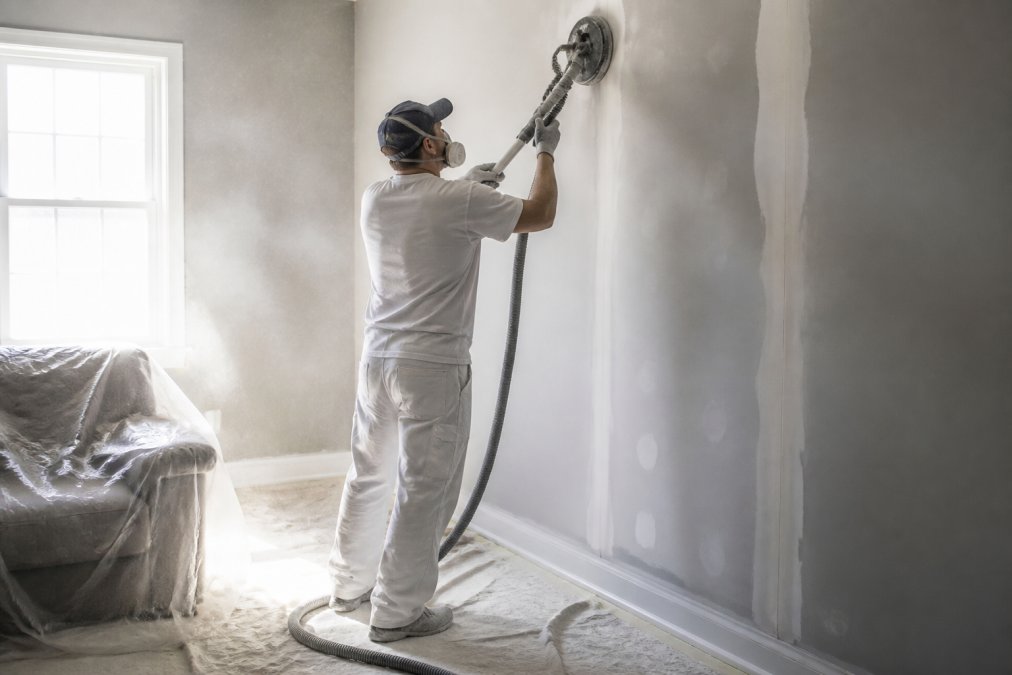
Sanding, Caulking, and Priming: What Prep Actually Involves
Each prep step solves a specific problem. Sanding smooths rough patches and creates a surface the primer can grip. Caulking seals gaps around trim, baseboards, and window frames so paint doesn't crack along those seams. Priming blocks stains and gives the topcoat an even base, which matters most when you're changing colors dramatically.
Questions to Ask Painting Contractors Before Hiring
The right questions to ask painting contractors before hiring separate a careful crew from a rushed one. Start with these:
- Are you licensed and insured, and can I see proof?
- Who will actually be on site, employees or subcontractors?
- What does your surface preparation process include?
- Do you offer a workmanship warranty, and what does it cover?
- How do you handle color changes if I'm not happy with the result?
Licensing, Insurance, and Workmanship Warranties
A licensed and insured contractor protects you if something goes wrong on your property. Ask for the certificate directly rather than taking a verbal assurance. A written workmanship warranty should spell out how long the coverage lasts and what triggers a return visit.
What to Look for in a Painting Estimate
A painting estimate should itemize labor, materials, and prep work separately, not lump everything into one number. If a quote is vague, ask for a breakdown before signing anything. The goal isn't to find the cheapest number, it's to compare bids on equal footing so you can see what each contractor is actually promising.
| Estimate Line Item | What It Should Cover | Red Flag If Missing |
|---|---|---|
| Surface preparation | Sanding, caulking, priming, drywall patching | No prep line at all, or a single vague "prep" charge |
| Materials | Paint brand, product line, finish, sheen, quantity in gallons | Unnamed "premium paint" or "contractor-grade" with no brand |
| Labor | Crew size, estimated hours or days, number of coats | No timeline, no coat count, no crew size |
| Cleanup and disposal | Drop cloths, masking, debris haul-away | Not mentioned anywhere in the scope |
| Warranty terms | Length in years, coverage scope, exclusions | Verbal promises only, nothing in writing |
How to Read Line Items Like a Contractor
When you compare two bids, normalize them before you decide. Ask each contractor for the same three details: how many coats of paint are included, what brand and product line they'll use, and how many square feet of wall they're pricing. A lower bid often reflects fewer coats, thinner paint, or skipped prep rather than genuine savings.
Watch for these patterns in the numbers:
- A single lump-sum price with no breakdown. You can't tell whether prep is included or whether the crew plans to paint over dirty walls.
- A materials line that names a product but not a quantity. Paint coverage varies by product line, so a gallon count tells you whether the bid is realistic for your wall area.
- A labor line with no hours or days. Without a schedule, you have no way to hold the crew to a timeline.
- A prep line that lists only "light prep." Ask what that means in practice, sanding, caulking, and priming are separate tasks, and each takes time.
Contractual Red Flags to Avoid
Watch for large upfront deposits, no written timeline, and contracts that exclude prep work from the scope. A legitimate painting contractor will put the finish schedule, payment terms, and warranty in writing. If a contract pressures you to sign same-day, walk away.
Specific clauses worth scrutinizing before you sign:
- Deposits above roughly a third of the total. A deposit covers materials, not the whole job. Large upfront payments reduce your leverage if the work stalls.
- No cure period for defects. A workmanship warranty should specify how long you have to report peeling, bubbling, or missed areas and how quickly the contractor must return.
- Change-order language that lets the contractor add charges mid-job. Color changes, added rooms, and drywall repairs should be priced in writing before work begins, not billed after.
- A scope that excludes surface preparation. If prep isn't in the contract, it isn't in the price, and it won't happen.
- Verbal-only warranty promises. If the warranty isn't written into the contract, it doesn't exist for enforcement purposes.
How Long Does a Professional Home Painting Project Take?
A typical interior painting project takes two to five days for an average home, depending on square footage, prep needs, and how many colors you're using. Project complexity drives the timeline more than the size of the space. A single accent wall in good condition can finish in a few hours; a whole-house repaint with drywall repairs and multiple color changes can run a full week or longer.
The Phases of an Interior Painting Project
Most crews work through the same sequence, and each phase has its own time cost:
- Walkthrough and setup (half a day). The crew moves furniture to the center of rooms, lays drop cloths, tapes trim and outlets, and confirms colors and finishes with you before any paint is opened.
- Surface preparation (one to two days). This is the longest variable. Sanding, caulking gaps around trim and baseboards, patching drywall, and priming stains or bare patches all happen here. Patching compound needs time to cure before sanding and priming, which is why prep can't be rushed.
- Priming (half a day to one day). Primer goes on walls that are bare, stained, or undergoing a dramatic color change. Not every job needs a full prime, but most do at least spot-priming.
- Painting (one to three days). Two coats are standard for most interior walls. Ceilings, trim, and doors are usually painted in a separate pass because they use different sheens and tools.
- Detail work and touch-ups (half a day). Cutting in along ceilings and corners, painting behind fixtures, and touching up any thin spots.
- Cleanup and walkthrough (half a day). Furniture returns, tape and drop cloths come up, and you do a final walkthrough with the crew lead to flag anything that needs attention.
What Actually Drives the Timeline
Square footage matters, but it's rarely the biggest factor. These variables move the schedule more:
- Wall condition. Cracks, holes, peeling paint, and water stains add prep days. A wall in good shape might need a light sand and spot prime; a damaged wall can need a full skim coat and cure time.
- Number of colors. Each additional color means a new roller, a new tray, and a new cut-in pass. Three colors in one room can add most of a day versus a single-color repaint.
- Ceilings and trim. Painting ceilings is slow overhead work, and trim requires brush work around every door, window, and baseboard. Both add time that wall-only estimates don't capture.
- Cabinet refinishing. Cabinets are a separate project category. Doors and drawers come off, get cleaned and deglossed, and are often sprayed rather than rolled. Expect several days to a week or more, plus cure time before you reload them.
- Occupancy. If you're living in the home during the project, the crew has to work around furniture, pets, and daily routines, which can stretch the schedule.
What to Expect While the Crew Is in Your Home
Plan for the rooms being painted to be off-limits during work hours. Furniture will be clustered in the center of each room under drop cloths, and floors will be covered. Ventilation matters, open windows when weather allows, and expect some odor even with low-VOC products.
Paint Finishes, Sheens, and Low-VOC Options for a Home Refresh
Choosing the right paint finish matters as much as the color. Flat finish hides imperfections on ceilings and low-traffic walls. Eggshell works well for living rooms and bedrooms because it wipes clean without much shine. Semi-gloss suits trim, doors, and kitchens where durability matters most.
Caring for Your Finish After Hiring Professional Painters
Touch-ups and gentle cleaning keep a fresh finish looking new. Wait about a week before washing walls so the paint fully cures, then use a soft cloth and mild soap rather than abrasive cleaners.
Frequently Asked Questions
How do I verify a painting contractor's insurance and licensing?
Ask for the contractor's license number and a certificate of insurance before signing anything. Call the insurer directly to confirm the policy is active and covers general liability plus workers' compensation. If a crew member gets hurt on your property and the company carries no workers' comp, you can be exposed. A legitimate painting contractor will send these documents without hesitation, usually with the estimate.
What should be included in a professional painting contract?
A solid contract lists the exact rooms and surfaces covered, paint brands and sheens for walls, trim, and ceiling, the number of coats, prep steps like sanding and caulking, and a payment schedule tied to milestones rather than a large upfront deposit. It should also name the workmanship warranty length and who handles touch-ups. Vague scopes are the most common source of disputes.
What is the going rate for professional painters?
Rates vary widely by region, room count, ceiling height, and how much prep the walls need. Pricing depends on project complexity, so ask each contractor to walk you through what drives their number before you decide.
Can painters work around my schedule if my home or office is occupied?
Many crews do. Ask about daily start and stop times, how they protect furniture and floors with drop cloths and masking, and whether they can phase work room by room. For offices, confirm whether they can paint after hours or on weekends. Get the schedule in writing so both sides know what to expect before the first can of paint opens.
A home refresh only looks effortless when the prep behind it is thorough. Always Pro Painters brings detailed surface preparation, clean lines, and a final walkthrough to every project, so the finish holds up long after the last coat dries. Get started with Always Pro Painters and request your free estimate today.