 ultimate-guide
Hiring Painters Near You: A Complete Guide
Table of Contents
- How to Find Local Painting Contractors
- What to Look for in a Professional Painter
- Average Cost to Paint a House Interior
- Questions to Ask House Painters Before Hiring
- Residential Painting Estimate Checklist
- DIY vs. Professional Painting: Cost-Benefit Analysis
- Red Flags to Watch for When Vetting Contractors
- Frequently Asked Questions
Last Updated: September 26, 2026
How to Find Local Painting Contractors
Start by seeking referrals from friends, family, or neighbors who've had recent work done. Personal recommendations carry weight because they come from people who've seen the finished product firsthand.
Search for "painters near me" on Google Maps, Yelp, or the Better Business Bureau. Look beyond star ratings and read individual reviews to understand what customers valued most, attention to detail, punctuality, or communication.
When evaluating painters near me, prioritize those with verifiable customer feedback and clear service area information. Ask for references directly from the contractor and follow up with at least two previous clients, this separates quality contractors from those who cut corners.
Check professional associations like the Painting and Decorating Contractors of America for qualified painters near me with industry certifications.
What to Look for in a Professional Painter
Look for contractors who emphasize surface preparation, proper sanding, patching, and priming create the foundation for a finish that lasts.
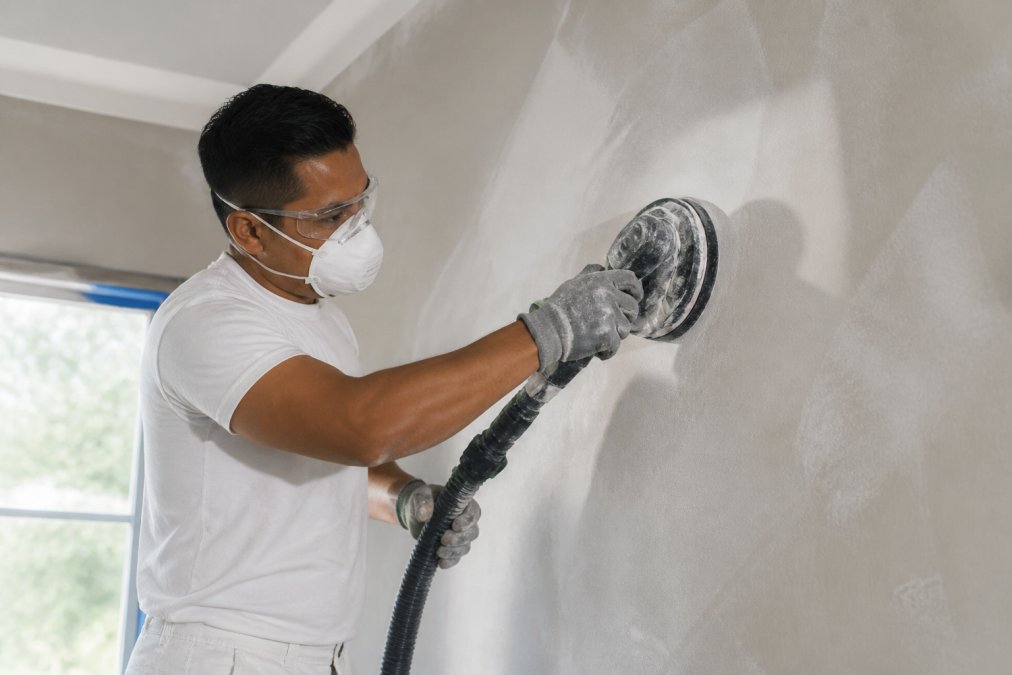
Verify that painters near me are licensed and insured with liability insurance and workers' compensation coverage. Check credentials directly with your state's licensing board rather than taking the contractor's word.
Ask painters near me about their experience with your specific project type, interior walls, exterior siding, cabinet finishing, or specialty coatings. A painter strong in general residential work may not excel at detailed trim or cabinet refinishing.
Look for painters who offer a detailed walkthrough after completion, this signals confidence in their craftsmanship and commitment to your satisfaction.
Average Cost to Paint a House Interior
Interior painting costs vary by room size, wall condition, paint quality, and regional labor rates. Understanding typical costs helps you evaluate quotes from painters near me and avoid overpricing or suspiciously low bids.
Cost Breakdown by Scope
Interior painting costs vary by room size, wall condition, and the extent of preparation needed. Heavily damaged walls requiring extensive patching will increase the total cost.
Labor is a significant component of the total cost. The time required for an interior painting project depends on the square footage and the size of the crew.
Paint Quality and Cost Impact
Paint costs vary by quality and coverage.
Budget paint may require more coats than quality paint. Over time, higher quality paint that resists fading and moisture damage can offer better long-term value than budget paint requiring earlier repainting.
Factors That Increase Costs
Surface preparation, water damage, mold, or multiple paint layers will increase costs. Specialty finishes, high ceilings, or detailed trim also increase labor time.
Ask painters near me for itemized breakdowns separating labor, materials, prep work, and repairs. A solid estimate specifies paint brand, finish type, number of coats, and included surfaces. Vague estimates prevent fair comparison.
Getting Accurate Quotes
Request estimates from at least three painters near me with identical project details. If quotes vary by more than 30%, ask lower bidders what they're excluding and higher bidders to justify pricing.
Avoid the lowest bid, it often indicates budget materials or skipped prep work. Mid-range quotes from contractors with strong references typically offer the best balance of quality and cost.
Questions to Ask House Painters Before Hiring
Before signing a contract with painters near me, request a detailed timeline and confirm they can meet your deadline without sacrificing quality.
Ask about the preparation process, what surfaces will be sanded, patched, or primed, and how will they protect your belongings? Detailed answers indicate serious commitment to prep work.
Ask if painters near me offer color consultation or can show samples in your actual lighting, this prevents costly repaints.
Ask what happens if you're unhappy with the result. What's their policy on touch-ups or corrections? A reputable contractor stands behind their work and will address legitimate concerns without charging extra.
Request a written contract that specifies the scope of work, timeline, payment schedule, and warranty. Never pay the full amount upfront. A typical arrangement is a deposit, progress payments, and final payment upon completion.
Residential Painting Estimate Checklist
When you receive an estimate from painters near me, use this checklist to evaluate completeness and accuracy. The estimate should list all rooms or areas being painted, with square footage if possible. Vague estimates like "living room and hallway" leave room for misunderstanding.
Check that the estimate specifies paint type and finish. Matte, eggshell, satin, and semi-gloss each serve different purposes. The estimate should clarify which you're getting and why it's appropriate for each space.
Verify that surface preparation is itemized. This should include wall cleaning, patching drywall, sanding, caulking trim, and priming. If the estimate lumps everything into "labor," ask for a breakdown. Detailed prep work is what separates quality painters near me from those just covering walls with paint.
Look for a timeline with start and completion dates. Ask whether the estimate accounts for drying time between coats or if the contractor will work around your schedule. Residential painting estimate checklists often overlook this, but it affects how long the project takes.
Confirm that the estimate includes cleanup and removal of protective coverings. Professional painters near me leave your home clean. If cleanup isn't mentioned, ask whether it's included or if there's an additional charge.
DIY vs. Professional Painting: Cost-Benefit Analysis
Painting your own interior might seem like a way to save money, but the full cost-benefit analysis reveals why hiring painters near me often delivers better long-term value. The decision hinges on three factors: upfront cost, time investment, and durability of results.
Upfront Cost Comparison
DIY painting requires equipment: drop cloths, painter's tape, rollers, brushes, extension poles, and ladders. DIY painting requires equipment such as drop cloths, painter's tape, rollers, brushes, extension poles, and ladders. Paint costs vary depending on quality. Materials like primer, caulk, sanding supplies, and cleanup materials also contribute to the cost.
A professional estimate for a similar space will vary. The difference in cost is significant, but the comparison is incomplete without accounting for time, skill, and durability.
Hidden Time Cost
A professional crew can paint an average interior in 5-10 working days. DIY painting, especially for first-timers, typically takes 4-8 weeks of evenings and weekends. That's 40-80 hours of your time. If you factor in the value of your time, the labor cost of DIY can be substantial. This can reduce the perceived savings, especially if mistakes require rework.
Skill and Surface Preparation
Most homeowners underestimate surface preparation, the phase that determines whether paint lasts 5 years or 10. Professional painters spend 40-50% of project time on prep: sanding rough spots, patching drywall, caulking gaps, and priming. Skipping or rushing these steps leads to peeling, cracking, uneven finish, and visible brush strokes within months.
Common DIY mistakes include:
- Insufficient sanding, causing new paint to adhere poorly
- Skipping primer on stained or dark walls, requiring extra coats
- Painting over glossy surfaces without dulling them first
- Inadequate drying time between coats, trapping moisture
When DIY results disappoint, the cost to hire professionals for correction can be significant because the prep work often must be redone.
When DIY Makes Sense
DIY painting is reasonable for small, low-stakes projects: a single bedroom with good wall condition, a closet, or accent walls. It's also appropriate if you enjoy the work, have done it before, and have realistic expectations about finish quality. For detailed work, trim, built-ins, textured surfaces, or color-critical spaces, professional results are worth the cost.
Post-Project Maintenance: The Durability Factor
Professional paint jobs last longer because of proper prep and application. To maximize the lifespan of any interior paint job, whether DIY or professional, follow these maintenance practices:
Immediate Care (First 30 Days) Allow paint to cure fully before washing walls or hanging heavy items. Most interior paint is dry to the touch in 1-2 hours but takes 7-14 days to cure completely. During this period, avoid moisture exposure in bathrooms and kitchens; use exhaust fans to manage humidity.
Routine Cleaning Dust walls monthly with a soft cloth to prevent buildup. For scuffs or marks, use a magic eraser or a damp cloth with mild soap. Avoid abrasive scrubbing, which can damage the paint finish. In high-traffic areas like hallways and around light switches, expect more wear; plan touch-ups every 2-3 years.
Moisture Management Interior paint fails fastest in damp environments. In bathrooms and kitchens, run exhaust fans during and for 20-30 minutes after showers or cooking. Wipe down moisture-prone areas like bathroom mirrors and sink backsplashes. In basements or areas prone to humidity, consider moisture-resistant or mildew-resistant paint formulations.
Touch-Ups and Spot Repairs Keep leftover paint from your project (label it with the room, date, and paint brand). Small nicks and scuffs can be touched up with a small brush; blending is easier when paint is fresh. For larger damaged areas, sand lightly, prime if needed, and repaint the affected section. Professional painters may offer touch-up services after completion.
Repainting Timeline Quality interior paint generally lasts longer than budget paint before showing wear.
The Bottom Line
Red Flags to Watch for When Vetting Contractors
Certain warning signs indicate you should look elsewhere for painters near me. A contractor who refuses to provide references or insurance information is a major red flag. Legitimate professionals have nothing to hide and expect you to verify their credentials.
Frequently Asked Questions
What do painters typically charge for residential projects?
Residential painting costs depend on room size, surface condition, paint quality, and prep work required. Most painters charge by the square foot, daily rate, or project estimate. Get quotes from multiple contractors to compare pricing and scope. Always Pro Painters provides free estimates to help you understand the full cost breakdown for your specific project.
How do I verify if a painting contractor is licensed and insured?
Ask contractors for proof of current business license and liability insurance before hiring. Licensed and insured painters protect your property and ensure work meets local building codes. Request their insurance certificate directly and verify it covers your project scope. This protects you from liability if accidents occur during the job.
What should be included in a professional painting estimate?
A complete painting estimate covers labor costs, materials, surface preparation details, timeline, warranty information, and payment terms. The estimate should specify paint quality, number of coats, trim work, and any repairs needed. Detailed estimates help you compare contractors fairly and avoid surprise costs later. Always ask for the estimate in writing.
How long does a typical interior painting project take?
Timeline varies by room size and prep work needed. A single room typically takes 2-4 days, while a full house interior may take 1-3 weeks depending on square footage and surface condition. Contractors should provide a realistic schedule during the estimate phase. Proper surface preparation takes time but ensures a quality, long-lasting finish.