
 ultimate-guide
Professional Painters: How to Hire & What to Expect
Table of Contents
- What Professional Painters Do (And Why It Matters)
- Residential Painting Preparation Steps That Separate Quality Work
- How to Vet Painting Companies Before You Hire
- Cost to Paint a House Interior: What Affects Your Quote
- Average Duration of Interior Painting Projects
- Interior vs. Exterior Painting: Different Demands, Different Expertise
- What to Look for in a Painting Contract
- Eco-Friendly Paint Options and Low-VOC Coatings
- Frequently Asked Questions
Last Updated: September 19, 2026
What Professional Painters Do (And Why It Matters)
Professional painters transform spaces through meticulous craftsmanship, not just applying color to walls. When you hire professional painters, you're investing in a process that begins long before the first coat touches your surface. The work separates into distinct phases: assessment, preparation, application, and final inspection. Each phase demands specific expertise that separates quality results from shortcuts.
At Always Pro Painters, we understand that hiring professional painters means trusting someone to protect your property while delivering results that last. Most homeowners underestimate how much the preparation phase determines the final outcome. Surface preparation, primer selection, and application technique compound to create either a finish that lasts years or one that chips and fades within months.
Professional painters bring tools, knowledge, and accountability that DIY approaches cannot match. They understand how humidity affects drying times, which surfaces require special primers, and how to achieve clean lines on trim work. This expertise justifies the investment when you compare the durability and appearance against amateur work.
Residential Painting Preparation Steps That Separate Quality Work
Surface preparation determines whether your paint job lasts five years or ten. Professional painters spend 40-60% of project time on preparation because this phase directly controls adhesion, smoothness, and longevity. Rushing this step guarantees visible flaws in the finished product.
The preparation process includes several critical steps. First, professional painters assess the existing surface for damage, moisture, and paint condition. They identify areas requiring drywall repair, caulking, or primer application before any topcoat goes on. Second, they protect floors, furniture, and fixtures with drop cloths and plastic sheeting. Third, they sand surfaces to create texture that allows new paint to bond properly. Fourth, they patch holes and imperfections with spackle or joint compound, then sand these areas smooth. Fifth, they apply primer to bare wood, patched areas, and any surfaces that require additional coverage.
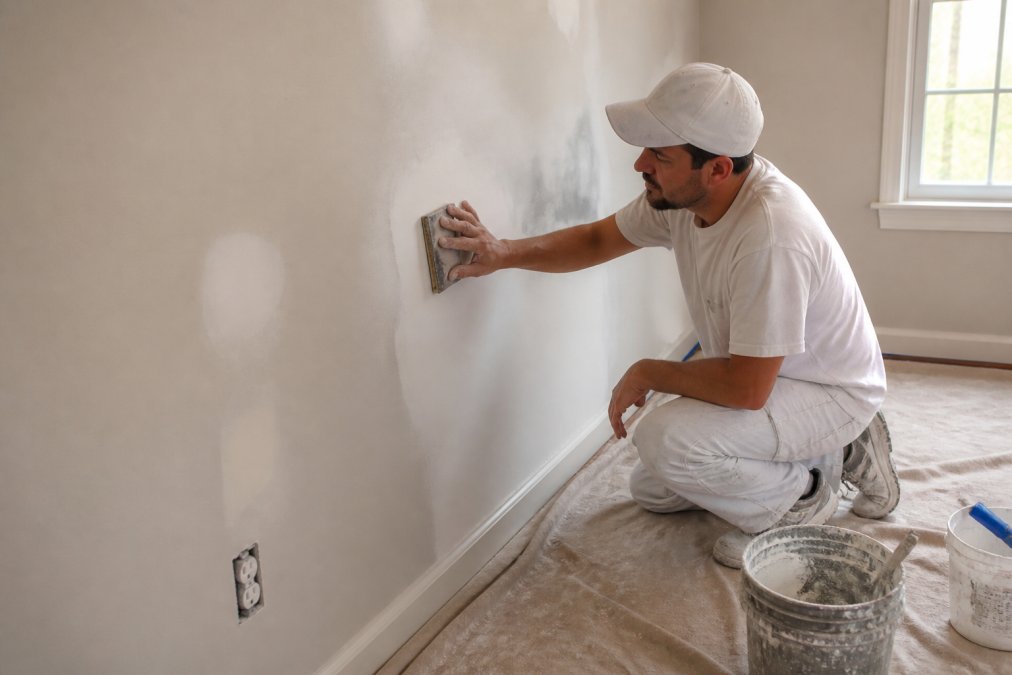
This meticulous approach prevents common failures. When professional painters skip proper surface preparation, paint peels, cracks, and fails to adhere correctly. Moisture problems go unaddressed. Stains bleed through new coats. The finished appearance looks uneven and unprofessional.
Always Pro Painters treats surface preparation as the foundation for everything that follows. We sand, patch, and prime with the same attention to detail that we apply to the final coats. This commitment to the preparation phase is what separates professional painters who deliver lasting results from those who simply rush to completion.
How to Vet Painting Companies Before You Hire
Evaluating painting companies requires checking credentials, reviewing past work, and understanding their process. Not all professional painters operate with the same standards, so your vetting process directly affects your outcome.
Start by verifying that painting companies hold proper licensing and insurance. Licensed contractors have met state requirements and carry bonding that protects you if something goes wrong. Insurance coverage protects both you and the crew if injury or property damage occurs on your job. Many homeowners skip this step and regret it when an uninsured worker is injured on their property.
Request references and review customer testimonials carefully. Ask painting companies for at least three recent projects you can contact directly. When you speak with past clients, ask specific questions: Did the crew show up on schedule? Did they protect your furniture and floors? Did the final result match the estimate? Were there surprise charges? How does the paint hold up months later?
Examine the company's portfolio of completed work. Professional painters should show photos of interior painting, exterior painting, trim work, and any specialty services they offer. Look for clean lines, even color coverage, and attention to detail in corners and around fixtures. Poor portfolio work suggests the company cuts corners on preparation or application.
Request detailed written estimates from at least two painting companies. A vague estimate that lists only "labor and materials" without specifying square footage, surface preparation, primer, or number of coats is a red flag. Professional painters provide itemized estimates that break down costs clearly.
Ask about the painting company's approach to surface preparation. This question separates companies committed to quality from those focused on speed. Professional painters should describe their sanding, patching, and priming process in detail. If they minimize the importance of preparation, they're not the right choice for work that needs to last.
Cost to Paint a House Interior: What Affects Your Quote
Interior painting costs depend on multiple factors that professional painters must evaluate during the estimate phase. Understanding these variables helps you compare quotes accurately and avoid suspiciously low bids.
Square footage is the primary cost driver. The larger your space, the more materials and labor hours the project requires. Professional painters calculate costs per square foot, which typically ranges based on surface condition, number of coats needed, and complexity of the work. A simple living room with smooth walls costs less per square foot than a kitchen with cabinets, trim, and built-in features.
Surface condition dramatically affects pricing. Walls requiring extensive drywall repair, sanding, or primer application cost more than walls in good condition. Professional painters must account for this work in their estimate. Moisture damage, previous paint failure, or stains that require primer add time and materials.
Trim and molding complexity increases costs. Interior painting that includes detailed trim work, built-in cabinets, or architectural features demands more precision and time than simple wall painting. Professional painters charge more for this work because it requires skill and careful masking to achieve clean lines.
The number of coats affects total cost. Most interior painting requires two coats of finish paint plus primer on bare surfaces. Some projects need three coats if color change is dramatic or coverage is poor. Professional painters include coat requirements in their estimates based on the specific project.
Paint quality influences pricing. Premium paints with better coverage, durability, and finish cost more than budget options. Professional painters typically recommend paint that balances quality and value for your specific situation.
When you receive quotes from professional painters, compare itemized estimates rather than total price alone. A lower quote that skips surface preparation or uses inferior materials will cost you more in the long run through premature failure and the need for repainting. Always Pro Painters provides detailed estimates that explain exactly what's included so you understand what you're paying for.
Average Duration of Interior Painting Projects
Project timeline depends on scope, surface condition, and the painting company's crew size. Understanding typical timelines helps you plan around the work and avoid unrealistic expectations.
A small bedroom with minimal prep work typically takes 2-3 days for professional painters to complete. This includes surface preparation, primer application, two coats of finish paint, and final cleanup. A larger master bedroom or living room might require 4-5 days depending on wall condition and trim complexity.
Kitchen and bathroom painting takes longer because these spaces have more surfaces, fixtures, and detail work. Professional painters need time to mask cabinets, work around plumbing, and ensure clean lines around tile and fixtures. A kitchen typically requires 5-7 days for quality work.
Whole-house interior painting projects span 1-3 weeks depending on square footage and condition. Professional painters typically work room by room, allowing proper drying time between coats. This phased approach lets you use some spaces while work continues in others.
Drying time between coats adds to the project timeline. Modern paints dry faster than older formulations, but professional painters still follow manufacturer guidelines to ensure proper adhesion. Humidity and temperature affect drying speed, so seasonal factors influence project duration.
Always Pro Painters provides realistic timelines during the estimate process. We communicate clearly about when work will start, how long each phase takes, and when the project will be complete. This transparency helps you plan your schedule and avoid surprises.
Interior vs. Exterior Painting: Different Demands, Different Expertise
Interior and exterior painting require different techniques, materials, and expertise. Professional painters who specialize in both understand these distinctions and adjust their approach accordingly.
Interior painting prioritizes finish quality and precision. Indoor spaces demand perfect color matching, smooth coverage, and clean lines because imperfections are visible in bright interior lighting. Interior paint typically has lower VOC content and better stain resistance. Professional painters working indoors must protect furniture and floors, manage dust, and work in confined spaces that limit crew size and movement.
Exterior painting prioritizes durability and weather protection. Outdoor surfaces face UV exposure, temperature swings, moisture, and wind that degrade paint quickly. Exterior paint formulations include additives that resist fading, mildew, and moisture penetration.
What to Look for in a Painting Contract
A detailed painting contract protects both you and the professional painters you hire. Before work begins, your contract should specify scope, timeline, payment terms, and warranty coverage.
Eco-Friendly Paint Options and Low-VOC Coatings
Volatile organic compounds (VOCs) in traditional paint release harmful chemicals into your home during and after application. Low-VOC and zero-VOC paint options reduce these emissions while delivering quality results that rival conventional paints.
Frequently Asked Questions
How much does it cost to hire professional painters?
The cost to paint a house interior depends on square footage, surface condition, paint quality, and complexity of trim work. Factors like drywall repairs, cabinet refinishing, and preparation work affect pricing. Always Pro Painters provides free estimates tailored to your project scope. Get an accurate quote by contacting us with details about your space and specific needs.
What questions should I ask before hiring a painting contractor?
Ask about licensing and insurance, surface preparation methods, warranty coverage, project timeline, crew size, and job site cleanup procedures. Request references and review customer ratings. Confirm whether drywall repair, caulking, and trim work are included. Ask how they handle color changes or touch-ups after completion. Always get a detailed written estimate before committing.
How long does an average interior painting project take?
The average duration of interior painting projects ranges from a few days for single rooms to two to three weeks for full-home refreshes, depending on square footage and preparation needs. Drywall repairs, primer application, and multiple coats extend timelines. Always Pro Painters provides realistic project timelines during your free estimate consultation based on your specific space and desired finish quality.
Is it worth paying for professional painters instead of DIY?
Professional painters deliver superior results through proper surface preparation, correct primer application, and multiple coats applied with workmanship expertise. They complete projects efficiently, handle drywall repair and caulking, and guarantee clean lines and a solid finish. Professionals also manage job site cleanup and provide warranty coverage. For residential painting projects, professional results protect your home's value and appearance long-term.