 ultimate-guide
Residential Exterior Painting: 2026 Homeowner's Guide
Table of Contents
- What Residential Exterior Painting Actually Involves
- Exterior Painting Preparation Steps That Decide the Finish
- What Drives Exterior House Painting Cost
- How Long Does Exterior Painting Take?
- Choosing Paint: Latex vs Oil-Based and Low-VOC Options
- Color Selection, Curb Appeal, and Home Value Appreciation
- After the Final Coat: Maintenance Schedules and Workmanship Warranty
- Conclusion
- Frequently Asked Questions
Last Updated: September 20, 2026
What Residential Exterior Painting Actually Involves
Residential exterior painting is the process of preparing, repairing, and coating a home's exterior surfaces to protect them from weather and restore curb appeal. Prep, product, and timing decide whether the finish lasts five years or fifteen.
At Always Pro Painters, we treat the exterior as a system: siding, trim, fascia, doors, and masonry each need different handling.
A common mistake is judging a quote by the bottom number. Two bids for the same house can differ by thousands because one includes scraping, sanding, caulking, and primer, and the other does not, that gap is labor the cheap quote skipped.
The five phases below cover a proper exterior job, from prep through maintenance, plus where costs come from and how to spot real prep.
Exterior Painting Preparation Steps That Decide the Finish
Preparation determines how paint adheres, how long it lasts, and whether it peels within two seasons.
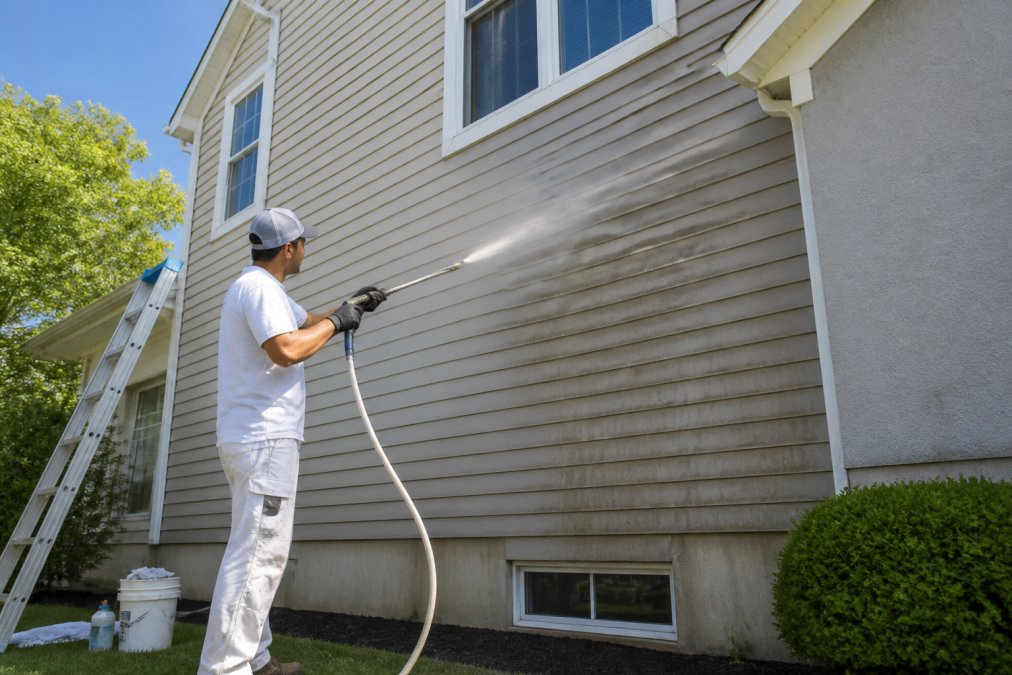
Power Washing, Scraping and Sanding, and Caulking
Power washing removes dirt, chalk, mildew, and loose material first, because paint will not bond to a dirty substrate.
Wood Rot Repair, Siding Restoration, and Primer Application
Wood rot repair replaces soft, crumbling trim, fascia, and siding with sound material. Painting over rot traps moisture and guarantees a callback.
What Drives Exterior House Painting Cost
Exterior house painting cost depends on square footage, prep intensity, stories, and material. Two same-size homes price very differently if one has failing paint and rot and the other is sound.
DIY vs. Professional: An Honest Cost-Benefit Breakdown
Most guides are written by companies that want the job, so they skip the math. Here is the objective version.
- Safety and access. Ladders, staging, and fall protection on a two-story home are the leading cause of DIY injuries on exterior projects. A licensed and insured crew carries liability coverage and workers' compensation for exactly this reason.
- Prep quality. A crew that scrapes to a sound edge, feathers the transition, and primes correctly does work most homeowners cannot replicate in a weekend, and that prep determines whether the finish lasts five years or fifteen.
- Equipment. Power washing, airless spraying, and back-brushing produce a more uniform film than brush-and-roller work on large surfaces, and uniform thickness resists cracking.
- Warranty. A written workmanship warranty only exists when a company stands behind the labor. DIY has no such backstop.
Why Licensed and Insured Crews Quote Higher
A licensed and insured crew carries liability coverage, workers' compensation, and the training to prep correctly. That overhead shows up in the quote, and it protects you.
Climate and Chemistry: Why the Same House Prices Differently by Region
Paint chemistry is not one-size-fits-all, and most cost guides ignore it. The same square footage can require different primers and topcoats depending on where the home sits:
- High humidity and coastal salt air. Moisture drives into substrates and salt residue interferes with adhesion. Crews lean on alkyd or bonding primers and mildew-resistant acrylic topcoats, with longer dry windows, more labor and specialized product.
- Extreme heat and intense sun. UV exposure breaks down binders and fades color. 100% acrylic topcoats with UV inhibitors are standard, and darker colors absorb more heat and fail faster, sometimes forcing a costlier color change.
- Freeze-thaw cycles. Water expands in cracks and pushes paint off the substrate. Elastomeric or flexible acrylic coatings that move with the wall cost more per gallon but reduce callbacks.
- Dry, dusty climates. Surface dust and chalk must be fully removed or the topcoat will not bond, meaning more washing and prep time.
How Long Does Exterior Painting Take?
Most residential exterior painting projects take three to seven working days, depending on size, prep, and weather. A small, sound house may finish in three; a large home with rot repair and multiple colors can run two weeks.
A realistic project timeline breaks into phases:
| Phase | Typical Duration | What Happens |
|---|---|---|
| Prep and washing | 1-2 days | Power washing, scraping, sanding, caulking |
| Repairs | 1-3 days | Wood rot repair, siding restoration, patching |
| Priming | 1 day | Primer application on bare and patched areas |
| Painting | 2-4 days | Two finish coats on body, trim, and fascia |
| Walkthrough | Same day | Final inspection and touch-ups |
Choosing Paint: Latex vs Oil-Based and Low-VOC Options
Latex and acrylic finishes are the standard for exterior work today: they breathe, resist fading, and clean up with water. Oil-based paints still suit some bare wood and metal, but they yellow over time and require solvents.
Color Selection, Curb Appeal, and Home Value Appreciation
Color is where exterior painting stops being purely functional: the right scheme lifts curb appeal and can support home value appreciation, especially before a sale.
After the Final Coat: Maintenance Schedules and Workmanship Warranty
A quality paint job is not maintenance-free, but it is low-maintenance. A simple schedule keeps the finish looking new and catches small problems before they spread, the part most guides skip.
A Year-One and Ongoing Care Schedule
The first year is when a finish proves itself or reveals a prep problem. Treat it as a warranty window.
- First 30 days: Let the coating cure fully before washing. Fresh exterior acrylic hardens for weeks, and scrubbing too early can mar the film. Keep sprinklers off the walls.
- Each spring: Walk the exterior and check for chalking (powdery residue that rubs off on your hand), hairline cracking, and peeling edges. Low-level chalking is normal; heavy chalking means the topcoat is breaking down.
- Each fall: Check caulk joints around windows, doors, and trim. Sealant shrinks as it cures and ages, and a hairline gap is where water starts working behind the siding.
- Annually: Wash siding with a garden hose and mild soap. For mildew, diluted oxygen bleach is gentler than chlorine bleach, which can dull some acrylics. Rinse thoroughly and avoid high pressure, which forces water behind the siding.
- Every few years: Re-caulk joints and seams as sealant dries and shrinks. Touch up scrapes and chips promptly, before moisture reaches the substrate.
- Sooner than the body: Recoat high-wear areas like trim, doors, and railings. They take sun, hand contact, and impact, and fail first.
What Actually Causes Early Failure
Knowing the mechanism helps you spot trouble before it spreads:
- Moisture behind the film causes blistering, usually from a caulk gap, failed flashing detail, or interior moisture escaping through the wall. Painting over it will not fix it.
- Poor adhesion causes peeling in sheets, almost always from inadequate prep, dust, chalk, or a damp substrate at coating time.
- UV breakdown causes chalking and fading. It is a product-quality issue; a 100% acrylic topcoat with UV inhibitors resists it far longer than builder-grade paint.
- Substrate movement causes cracking. Flexible or elastomeric coatings tolerate more movement than rigid ones, which is why they cost more.
Workmanship Warranty: What to Ask Before You Sign
A workmanship warranty protects you if the finish fails early. Ask what it covers, how long it runs, and whether it includes labor or just materials. A crew confident in its prep will stand behind it in writing.
Specific questions worth asking:
- Does the warranty cover peeling and blistering, or only application defects?
- Is labor included, or would a claim leave you paying for the redo?
- Does it transfer if you sell the home? A transferable warranty is a selling point.
- What maintenance does it require you to document? Many warranties are voided by neglect, so keep records.
A finish that is washed annually, re-caulked every few years, and touched up promptly will outlast one that is ignored by several seasons, and a written, transferable workmanship warranty is what protects you if it does not.
Conclusion
Exterior painting rewards patience and punishes shortcuts, and the difference shows up within a few seasons. Homes that hold their finish are the ones where prep, primer, and product were handled correctly the first time.
Frequently Asked Questions
What is the average cost to paint the exterior of a home?
There is no single average, because exterior house painting cost depends on square footage, stories, siding material, prep needed, and paint quality. A small ranch with minimal prep sits at the low end; a multi-story home with wood rot repair, stucco repair, and extensive trim and fascia work sits much higher. Get a free estimate so the quote reflects your actual exterior substrate instead of a generic per-square-foot guess.
What steps are involved in professional surface preparation?
Exterior painting preparation steps usually run in this order: power washing to strip dirt and chalk, scraping and sanding loose paint, caulking gaps around windows and trim, repairing wood rot and damaged siding, then applying primer to bare or patched areas. Skipping any of these steps is the main reason paint peels and blisters within a few seasons. Detailed prep is what makes paint adhesion and finish durability possible.
What is the best time of year for residential exterior painting?
Late spring through early fall works best in most climates, when temperatures stay above 50°F and humidity is moderate. Paint needs dry, stable conditions to cure properly; cold nights, rain, or high humidity during application weaken the moisture barrier and shorten the life of the finish. Regional climate-specific paint requirements also matter, so a crew familiar with your area's weather patterns will schedule around them.
How long does a professional exterior paint job last?
A properly prepped exterior paint job typically lasts 7 to 10 years, and sometimes longer with quality acrylic finish and regular maintenance. Lifespan depends on sun exposure, moisture, and how well the surface was prepared before painting. A workmanship warranty from your painter gives you recourse if peeling or blistering appears earlier than it should.