 comparison
Vinyl Siding Painting vs Replacement Cost: 2026 Guide
Table of Contents
- Vinyl Siding Painting vs Replacement Cost: The 2026 Comparison Table
- Cost to Paint Vinyl Siding: What Drives the Price Per Square Foot
- Siding Replacement Cost: Material and Labor Breakdown
- Pros and Cons of Painting Vinyl Siding
- The Hidden Risks: Warranty Voiding and Heat Absorption
- Best Paint for Vinyl Siding: Chemistry and Color Retention
- Longevity, Maintenance, and ROI: Which Option Pays Off?
- Conclusion
- Frequently Asked Questions
Last Updated: September 29, 2026
Vinyl Siding Painting vs Replacement Cost: The 2026 Comparison Table
Vinyl siding painting vs replacement cost is the decision most homeowners get wrong, because the cheaper option is not always the smarter one. Painting typically runs roughly a third of the price of replacement, but it only makes sense when the siding underneath is still sound. Always Pro Painters helps homeowners understand this trade-off before quoting a job.
Here is the short version: paint if the panels are flat, intact, and under warranty you are willing to risk. Replace if the siding is warped, water-damaged, or already failing.
| Factor | Painting | Replacement |
|---|---|---|
| Typical relative cost | Lower upfront | Roughly 2-3x painting |
| Lifespan | 5-10 years | 20-40 years |
| Warranty impact | Often voided | New warranty |
| Best for | Sound, intact panels | Warped or damaged siding |
| Maintenance | Recurs sooner | Minimal for years |
The table above is a starting point. What actually decides the outcome is the condition of your siding and the paint chemistry you choose.
Cost to Paint Vinyl Siding: What Drives the Price Per Square Foot
Cost to paint vinyl siding depends on three things: prep work, paint quality, and who does the job. A simple rinse-and-roll on clean siding costs far less than a project needing repairs, priming, and multiple coats.
Labor, Materials, and Prep Work
Labor is the largest line item on any exterior painting quote. Surface preparation takes the most time, and skipping it is why so many paint jobs peel within two years.
A common mistake is treating vinyl like wood. Vinyl expands and contracts with temperature changes, so paint adhesion depends on a flexible coating and a genuinely clean surface. Pressure washing removes chalky oxidation and dirt, but panels must dry fully before any coating goes on.
Material costs track paint quality. A cheaper acrylic latex paint saves money now and costs more later when it fades or blisters. Primer is sometimes required, especially on faded or previously painted panels.
DIY vs Professional Painting Costs
DIY saves labor but shifts risk onto you. Ladders, sprayers, masking, and weather windows add up fast, and a single missed prep step can ruin the whole job.
Professional painting costs more upfront but includes the prep most DIYers underestimate. If you are weighing vinyl siding painting vs replacement cost for a large home, the labor gap between DIY and professional work is usually smaller than people expect once equipment and time are counted.
Siding Replacement Cost: Material and Labor Breakdown
Siding replacement cost is driven by material choice, square footage, and removal of the old panels. Replacement means tearing off existing siding, inspecting the sheathing underneath, and installing new material.
Material options include vinyl, fiber cement, and engineered wood. Each carries a different price point and lifespan. Labor is higher than painting because removal, disposal, and installation all add time.
Hidden costs surface during tear-off. Rot, moisture damage, or missing house wrap often appear once the old siding is gone. Those repairs are not optional, and they are the main reason replacement quotes climb after work begins.
This is where replacement earns its price. You get a fresh moisture barrier, corrected damage, and a new manufacturer warranty. For siding that is already failing, that combination is difficult to match with paint alone.
Pros and Cons of Painting Vinyl Siding
The pros and cons of painting vinyl siding come down to cost versus lifespan. Painting is cheaper, faster, and lets you change color without a full tear-off.
Pros:
- Lower upfront cost than replacement
- Fast turnaround, often days rather than weeks
- Color change without removing panels
- Keeps existing siding if it is structurally sound
Cons:
- Shorter lifespan than new siding
- Can void the manufacturer warranty
- Requires careful prep to avoid peeling
- Dark colors risk heat damage on vinyl
Replacement flips that equation. You pay more and wait longer, but you get decades of service and a warranty that actually covers the material.
The honest answer to which is better: it depends entirely on the condition of your siding. Painting sound panels is smart. Painting failing panels is money thrown at a problem that returns.
The Hidden Risks: Warranty Voiding and Heat Absorption
Warranty voiding and heat absorption are the two risks most guides ignore, and they are the two that most often turn a cheap paint job into an expensive mistake. Painting vinyl siding can void the manufacturer warranty outright, because most vinyl warranties cover only the original factory finish and explicitly exclude field-applied coatings. Once you paint over that finish, the warranty typically no longer applies to the coating or the panels. If the siding later cracks, warps, or fades unevenly, you may be on your own.
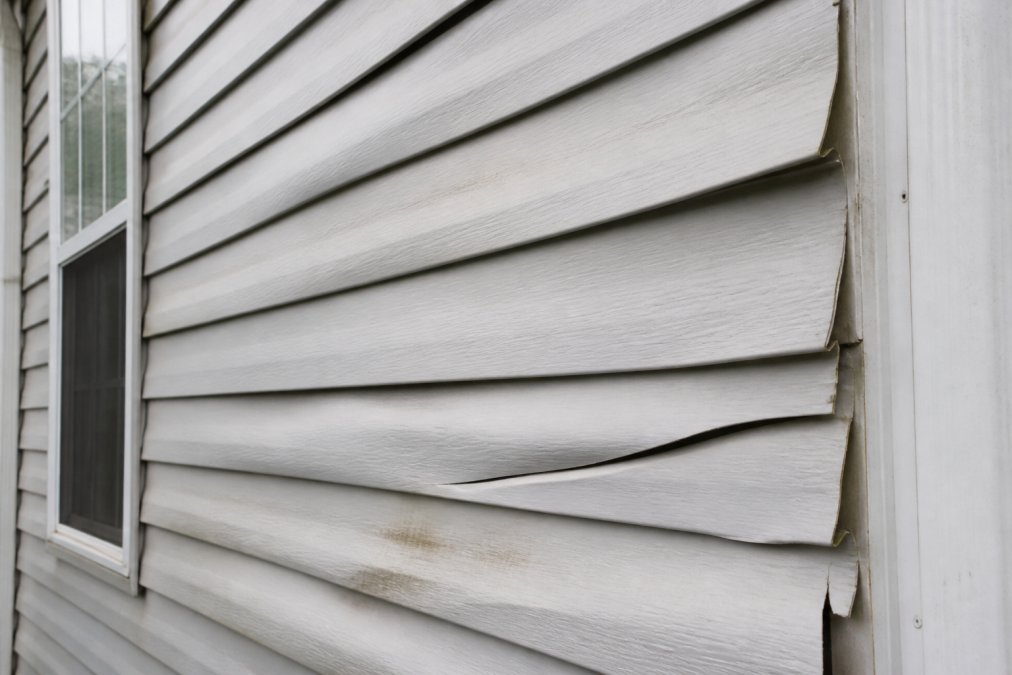
The warranty issue is not hypothetical. Vinyl siding manufacturers commonly write their limited warranties to cover manufacturing defects in the original product, not adhesion or performance of aftermarket paint. Some warranties also require that the siding be maintained with approved cleaners only.
Why Dark Colors Cause Warping and Buckling
There is a way to reduce the risk without giving up color entirely. Vinyl-safe exterior paints are formulated with higher Light Reflectance Value, or LRV, meaning they reflect more of the sun's energy even when the color is not white. Choosing a paint with a high LRV and a light-to-mid color keeps panel temperatures lower than a standard dark paint would. Checking the LRV before you buy is one of the cheapest forms of insurance on a vinyl paint job.
Best Paint for Vinyl Siding: Chemistry and Color Retention
Best paint for vinyl siding is a 100% acrylic latex made specifically for vinyl, with a light color, a high Light Reflectance Value, and a low sheen. Acrylic latex stays flexible as panels expand and contract, which is exactly what vinyl demands. But "acrylic latex" is a broad category, and the differences between a general exterior acrylic and a vinyl-specific formulation are what separate a coating that lasts from one that peels in two seasons.
Longevity, Maintenance, and ROI: Which Option Pays Off?
Longevity and ROI decide the real winner. Painting buys you a shorter maintenance cycle, while replacement buys decades of low upkeep.
Conclusion
The vinyl siding painting vs replacement cost decision is really a condition question. Painting costs less and works well on sound panels. Replacement costs more and is the only sensible path when siding is warped, damaged, or already failing.
Frequently Asked Questions
What is the downside of painting vinyl siding?
The biggest downside is warranty risk. Most manufacturers, including those behind the siding already on your home, void coverage if you paint without their approval. Dark colors absorb heat, which can cause warping, buckling, and blistering because vinyl expands and contracts with temperature swings. Paint adhesion also fails on dirty or chalky panels, leading to peeling within a few years. Finally, painted siding needs repainting every 6 to 10 years, so the lower upfront cost of painting comes with a shorter maintenance cycle than replacement.
How long does painted vinyl siding typically last?
A professional paint job on vinyl siding lasts 6 to 10 years when the surface is properly prepared and an acrylic latex paint made for vinyl is used. Lifespan drops to 3 to 5 years if prep work is skipped or the wrong paint is applied. UV exposure, color choice, and climate all affect color retention. Darker colors fade faster and absorb more heat. Inspecting for peeling, blistering, or chalking each spring helps you catch failures early and plan the next repainting cycle.
Does painting vinyl siding void the manufacturer's warranty?
In most cases, yes. Manufacturer warranties typically cover defects in materials and workmanship, and painting counts as an alteration that voids that coverage. Some manufacturers allow painting if you use a specific product and a color with a Light Reflectance Value (LRV) above their minimum, often 55 or higher. Check your warranty documents before anyone picks up a brush. If the warranty has already expired, painting carries no additional penalty, and the decision becomes purely about cost versus longevity.
Is it worth painting old, faded vinyl siding?
It depends on the condition of the panels. If the siding is structurally sound with no warping, cracking, or moisture behind it, painting costs significantly less than replacement and restores curb appeal for several years. If panels are brittle, buckling, or letting water in, paint will not fix the underlying problem and replacement is the better investment. A professional inspection of the surface preparation needs and structural integrity of the siding will tell you which path makes sense for your home.
What is the cheapest way to replace existing siding?
Vinyl remains the lowest-cost replacement material per square foot, followed by fiber cement and engineered wood. You can reduce total cost by replacing only damaged sections instead of the whole exterior, choosing standard colors over custom orders, and scheduling the work in the off-season when contractor availability is higher. Getting multiple itemized quotes that separate material costs from labor costs also helps you spot where the money goes and negotiate more effectively. Always Pro Painters offers free estimates to help you compare options.