 comparison
Best Weather Resistant Exterior Paint for Chicago Climate
Table of Contents
- How Chicago Weather Destroys Exterior Paint
- Best Exterior Paint for Cold Climates: Top Picks Compared
- Exterior Paint for Freeze-Thaw Cycles: What Actually Holds Up
- Exterior Paint Temperature Range: Application and Curing Limits
- Best Time to Paint a House Exterior in Chicago
- Substrate-Specific Recommendations for Chicago Homes
- Total Cost and Repainting Lifecycle
- Why Professional Application Matters for Weather Resistance
- Frequently Asked Questions
Last Updated: October 12, 2026
How Chicago Weather Destroys Exterior Paint
The best weather resistant exterior paint for Chicago climate has to survive conditions that ruin ordinary coatings within a few seasons.
Paint fails here for two reasons: water gets in, and temperature forces the film to move.
Freeze-Thaw Cycles and Expansion
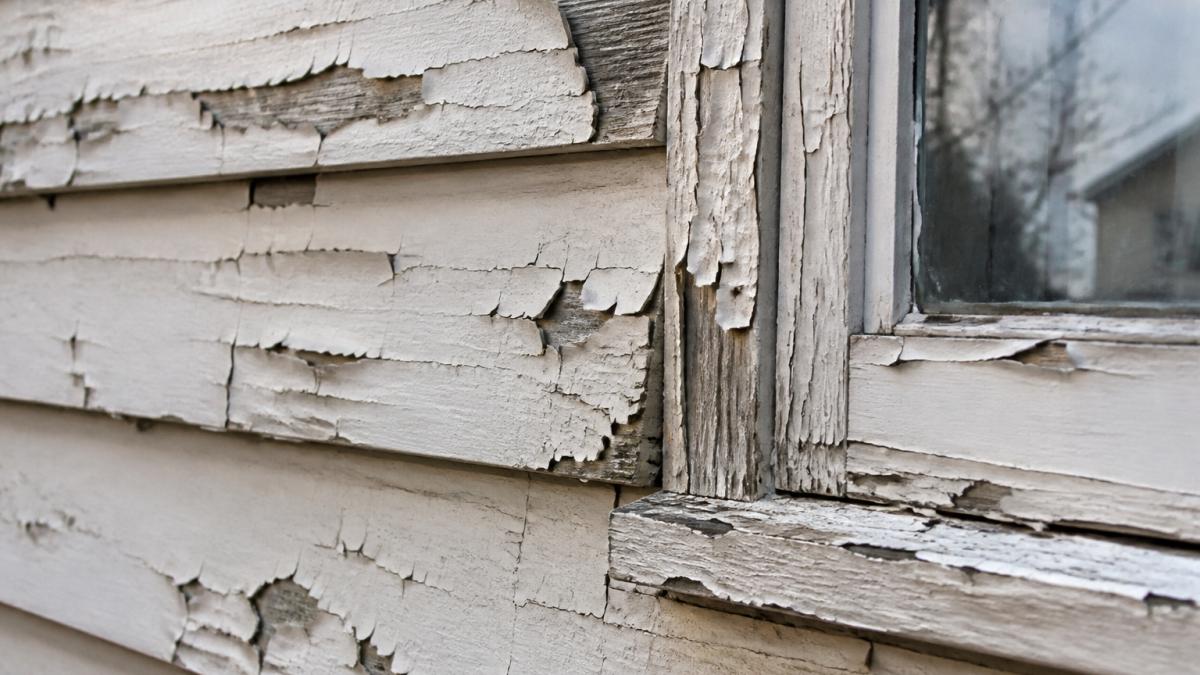
Rain and snowmelt soak into wood siding, masonry, and fiber cement. When temperatures drop below freezing, that trapped moisture expands and pushes against the paint film from underneath.
Repeated freeze-thaw cycles pry the coating loose; once adhesion breaks, peeling spreads from the edges. A flexible film resists this far better than a brittle one, which is why resin concentration and elasticity matter in a cold climate.
Rain, Snow, Ice, and De-Icing Exposure
Snow sitting against a wall for weeks, ice dams at the roofline, and road salt all attack the finish. Salt is especially hard on lower walls and trim near driveways and sidewalks, dulling color and breaking down the surface.
Humidity adds stress: a coating that absorbs moisture swells, then shrinks as it dries, turning a small crack into widespread flaking. Summer UV exposure finishes the job by fading color and weakening the film.
Best Exterior Paint for Cold Climates: Top Picks Compared
Most "best exterior paint" lists rank products without saying what they were ranked on. That is useless where the failure mode is specific: water gets in, ice pries the film loose, and the coating must stay flexible through dozens of freeze-thaw cycles a year.
The five criteria we judge on:
- Resin type and acrylic content. 100% acrylic and high-acrylic formulas stay flexible at low temperatures and resist water absorption. Vinyl-acrylic and styrene-acrylic blends are cheaper but stiffen and chalk faster.
- Elasticity at low temperature. The film must stretch and recover as wood and masonry expand in heat and contract in cold. A brittle film cracks at the first hard freeze.
- Adhesion to the specific substrate. A coating that bonds to fiber cement may not bond to chalky masonry or glossy old paint. Adhesion is a property of the coating-plus-prep system, not the coating alone.
- Moisture vapor transmission. On masonry, the coating has to let trapped vapor escape. A sealed film traps water and guarantees spalling.
- Label limits and cure window. Minimum application temperature, recoat time, and full-cure time determine whether you can actually use the product in a given season.
How the leading options compare on those criteria:
| Paint | Formula family | Reported price | Best substrate fit | Key trade-off |
|---|---|---|---|---|
| Benjamin Moore Aura Exterior | Premium 100% acrylic | $80-$90 per gallon | New wood, fiber cement | Highest upfront cost; longest expected repaint interval |
| Sherwin-Williams Duration Exterior | 100% acrylic | Varies by retailer and sheen | Wood, fiber cement, previously painted | Premium price; strong flexibility and adhesion claims |
| Sherwin-Williams Latitude | Acrylic, cold-climate focused | Premium tier | Wood and fiber cement in exposed, wind-driven locations | Costs more than standard exterior lines |
| Sherwin-Williams SuperPaint | Acrylic | Mid-tier | General exterior, wood and masonry | Broad recommendation, not climate-specialized |
| Benjamin Moore Regal Select Exterior | 100% acrylic | Mid-to-premium | Wood, fiber cement, masonry | Slightly shorter repaint interval than Aura |
| Behr Marquee Exterior | 100% acrylic | Mid-tier | Wood, fiber cement | Widely available; verify low-temperature label limits |
Prices are reported ranges and move with retailer, sheen, and promotions. Treat them as relative tiers, not quotes.
Benjamin Moore Aura Exterior
Aura Exterior is the premium pick for the longest possible repaint cycle: a 100% acrylic formula built for new wood and fiber cement, listed by a Chicago-focused comparison as a strong option for extended intervals at a reported $80-$90 per gallon. The trade-off is cost, it only pays for itself if the repaint interval genuinely beats a mid-tier acrylic.
Sherwin-Williams Duration Exterior
Duration is the workhorse choice for cold climates. A Chicago cold-climate guide recommends it for winter conditions and identifies its 100% acrylic formula, the key to flexibility and adhesion through freeze-thaw cycles. Pricing, coverage, and warranty specs vary by retailer and sheen, so ask the store for the current technical data sheet to compare minimum application temperature and recoat time.
Sherwin-Williams Latitude
Latitude is positioned for what the suburbs throw at a house: open wind, heavy snow, and rapid temperature swings. The cited source connects it to challenging local climates and notes it costs more than some alternatives. If your home faces open wind and drifting snow, it is a sensible upgrade; if your walls are sheltered, it may not pay back.
Sherwin-Williams SuperPaint
SuperPaint is a broadly recommended option: a 2026 exterior-paint guide names it the top pick for protection against harsh weather. The caveat is that the recommendation comes from a general guide, not a Chicago-specific comparison, so treat it as a solid mid-tier baseline rather than a climate-specialized formula.
Benjamin Moore Regal Select Exterior
Regal Select Exterior is the mid-to-premium 100% acrylic option between Aura and standard lines, covering wood, fiber cement, and masonry, and is often the better value on a sheltered elevation.
Behr Marquee Exterior
Marquee Exterior is a 100% acrylic mid-tier option with wide retail availability, which matters for color matching or mid-project touch-ups. Verify the low-temperature label limits before buying, availability does not guarantee cold-weather performance.
How to read this table without getting burned
- Price per gallon is not the decision. The decision is price per year of service, which depends on prep quality and repaint interval.
- "100% acrylic" is a floor, not a ceiling. Two 100% acrylic paints can differ in elasticity, adhesion, and vapor transmission.
- The label is the contract. Minimum application temperature, recoat time, and cure time are printed on the can and in the technical data sheet. If a product's label limits do not fit your season, it is wrong for the job regardless of reputation.
Exterior Paint for Freeze-Thaw Cycles: What Actually Holds Up
Exterior paint for freeze-thaw cycles needs one property above all others: flexibility. A coating that stays elastic as temperatures swing stretches and recovers instead of cracking, keeping water out and the film intact.
Three factors separate paints that last from paints that fail:
- Resin concentration: Higher acrylic content means a more flexible, water-resistant film.
- Adhesion: A coating that bonds tightly to a properly prepared substrate resists being pried loose by expanding ice.
- Elasticity: The film must move with the wood or masonry as it expands in heat and contracts in cold.
Exterior Paint Temperature Range: Application and Curing Limits
Exterior paint temperature range determines whether a coating cures properly, and getting it wrong ruins an otherwise good product. Most exterior acrylics need air and surface temperatures above roughly 50°F to cure, and surface temperature matters as much as air temperature: a wall in direct sun can run far hotter than the air, drying the paint too fast and losing adhesion, while a shaded wall can run colder and stop curing altogether. The practical rules:
- Check surface temperature, not just the forecast.
- Avoid painting when temperatures will drop near freezing within 24 hours.
- Respect recoat and cure times; rushing the second coat traps moisture.
Best Time to Paint a House Exterior in Chicago
The best time to paint a house exterior in Chicago is late spring through early fall, when daytime temperatures stay reliably above 50°F and humidity is manageable, giving acrylic coatings time to cure fully before the first freeze. Late summer and early fall are ideal: surfaces are warm and dry, with enough time before cold nights for the film to harden completely.
Substrate-Specific Recommendations for Chicago Homes
Most guides stop at "use acrylic on wood." That is not enough here, because the substrate decides how water enters, how the wall moves, and what the coating and primer must do. Here is the substrate-by-substrate breakdown, including previously painted surfaces most lists ignore.
Wood siding
Wood is the most vulnerable substrate to freeze-thaw damage: it absorbs water readily and moves the most with humidity. Cedar, pine, and engineered wood all swell and shrink, and the paint film has to move with them.
- Prep: Scrape loose and peeling paint, sand feathered edges, and wash off chalk and mildew. Repair rot and caulk joints before priming, caulk over rot just hides the problem for one season.
- Primer: Prime all bare wood. An oil-based or high-adhesion acrylic primer blocks tannin bleed on cedar and redwood; a water-based primer is fine on pine and engineered wood.
- Topcoat: Flexible 100% acrylic. Avoid stiff alkyds on wood that sees full sun and full winter.
Masonry, brick, and stucco
Masonry is porous and slow to dry. The coating's job is not to seal the wall but to let vapor escape while keeping liquid water out. A sealed film traps moisture and guarantees spalling and peeling.
- Prep: Remove efflorescence with a masonry cleaner, patch cracks with a masonry-grade patcher, and let the wall dry fully. New masonry should cure for at least 30 days before painting.
- Primer: Use an alkali-resistant masonry primer on bare or chalky surfaces. Do not use a standard wood primer.
- Topcoat: Breathable acrylic or elastomeric masonry coating. Elastomeric coatings bridge hairline cracks and handle thermal movement well; they are not the right choice on historic soft brick, where breathability matters more than crack bridging.
Fiber cement siding
Fiber cement is dimensionally stable compared to wood, but it still moves with temperature and holds factory primer that may not match your topcoat system.
- Prep: Wash off dirt and chalk, and check the factory primer for scuffs and bare spots. Cut edges should be primed.
- Primer: A quality acrylic bonding primer over bare or scuffed areas.
- Topcoat: 100% acrylic. Fiber cement is the substrate where a premium acrylic pays back most reliably, because the substrate itself is stable and the coating does the moving.
Previously painted surfaces
This is the substrate most guides skip, and where compatibility failures happen.
- Identify the existing coating. Alkyd and oil paints have a harder, glossier film; acrylics are more flexible. Test with a solvent-soaked rag, if the paint softens, it is likely alkyd.
- Test adhesion before topcoating. Press and peel a strip of tape on a clean area. If paint comes up, the existing film is failing and needs to be removed or sealed, not painted over.
- Match flexibility. Topcoating a flexible acrylic over a brittle alkyd is a common failure: the old film cracks and takes the new one with it. A bonding primer can bridge the two, but it is not a guarantee.
How to choose in one pass
- Identify the substrate and the existing coating.
- Decide whether the wall needs to breathe (masonry) or needs a flexible film (wood, fiber cement).
- Pick the primer for the substrate, not the topcoat.
- Pick a 100% acrylic topcoat whose label limits fit your season.
- Fix water problems, grading, gutters, flashing, before painting. Paint is not a waterproofing system.
Total Cost and Repainting Lifecycle
Total cost is about how often you repaint, not just price per gallon. A premium paint that lasts longer can cost less over time than a cheap paint that fails in a few seasons. The lifecycle math favors quality: a longer repaint cycle means fewer full prep-and-paint jobs, and prep is where most of the labor goes.
Why Professional Application Matters for Weather Resistance
The best paint in the world fails on bad prep. Surface preparation, primer choice, and application timing decide whether a coating survives Chicago's freeze-thaw cycles, and those steps are where most DIY and low-bid jobs go wrong.
Our process is built around the finish, not the rush.
If you want a paint job that handles Chicago weather instead of surrendering to it, start with a free estimate from Always Pro Painters.
Frequently Asked Questions
What exterior paint lasts the longest in a cold climate?
A 100% acrylic formula gives the longest service life in cold climates. Sherwin-Williams Duration Exterior is a 100% acrylic option recommended for cold-climate conditions, while Benjamin Moore Aura Exterior is cited for long repaint cycles and new wood. The resin concentration in 100% acrylic paint keeps the film flexible through temperature fluctuations, so it resists cracking and peeling longer than vinyl-acrylic or alkyd coatings. Expect 10 to 15 years on properly prepared siding, though substrate and sun exposure affect the outcome.
Which exterior paint is best for freeze-thaw cycles?
Paint that stays flexible below freezing performs best through freeze-thaw cycles. Exterior paint for freeze-thaw cycles needs high resin content and strong adhesion, because water that seeps into rigid or chalky films expands when it freezes and pushes the coating off the surface. Sherwin-Williams Latitude is positioned specifically for challenging climates, and Duration Exterior is recommended for cold conditions. Surface preparation matters as much as the product: bare wood, chalky masonry, and glossy trim all need priming or sanding first.
What temperature range is safe for painting a house exterior?
Most exterior paints need air and surface temperatures between 50°F and 85°F during application and for several hours after. Surface temperature matters more than air temperature, since siding in direct sun can run 20°F to 30°F hotter than the surrounding air. Below 50°F, curing slows and the film may not form properly; above 85°F, paint dries too fast and shows lap marks. Check the label on your specific product, since some cold-weather formulas allow application down to 35°F.
When is the best time to paint a house exterior in Chicago?
Late spring through early fall, roughly May through September, gives the most reliable window. Daytime temperatures sit in the 60s and 70s, humidity is manageable, and overnight lows rarely drop below the curing threshold. Avoid painting within 24 hours of forecast rain, and avoid late October through April, when overnight temperatures fall below 50°F and freeze-thaw cycles begin. Morning starts work well because surface temperatures are still moderate before afternoon sun hits south- and west-facing walls.
Can you paint an exterior in 100-degree weather?
You can, but the results suffer. At 100°F, paint dries before it levels, leaving brush marks, lap lines, and weak adhesion. Surface temperature is the real problem: dark siding in direct sun can reach 140°F, well above the manufacturer's recommended maximum. If you must paint in extreme heat, work early in the morning, follow the shade around the house, and thin only as the label allows. Waiting for a cooler day is almost always the better choice.
Chicago's climate will test any exterior coating, and the homes that hold their finish are the ones painted with the right product over proper prep at the right time of year. Always Pro Painters delivers detailed surface preparation, a clean foundation for paint, and a final walkthrough to ensure satisfaction, so your exterior stands up to freeze-thaw cycles, snow, and salt. Get started with Always Pro Painters and protect your home with a finish built to last.