 How-to
Exterior Painting Costs: What a House Really Runs
Last Updated: November 13, 2026
Quick Summary
Exterior painting costs depend mostly on your home's paintable area, the condition of its surfaces, and how much preparation the job needs. Exact figures vary too widely to give a single average, so ask for a written estimate after an on-site inspection that lists labor, materials and prep separately.
- Price is driven by paintable square footage, which includes trim, fascia and soffits, not just the house footprint.
- Compare bids on a per-square-foot basis and confirm which surfaces each rate covers.
- Check whether trim, soffits or a primer coat are excluded from a low quote.
- Remember HOA approval and municipal permit costs, which often do not appear on standard estimates.
- Skipping prep to lower a quote usually shortens the life of the paint.
Table of Contents
- Average Cost to Paint a House Exterior Per Square Foot
- Cost to Paint a 2,000-Square-Foot House Exterior
- Labor Cost to Paint the Exterior of a House
- Paint Versus Siding Cost: Which Costs More Over Time?
- Factors That Push Exterior Painting Costs Up or Down
- Booking Your Exterior Painting Estimate With Always Pro Painters
- Frequently Asked Questions
Exterior painting costs depend mostly on the size of your home, the condition of its surfaces, and how much preparation the job needs. Homeowners who budget well are usually the ones who understand what they are paying for before they sign. This guide breaks down the average cost to paint a house exterior, what drives those numbers up or down, and how to read a painting estimate.
Exterior painting costs are the total charges for surface preparation, materials and labor to paint the outside of a home. HomeAdvisor exterior house painting cost guide tracks national price ranges, but your actual quote will reflect your home's size, siding type and condition.
Prices vary too much across homes for a single number to be useful. Treat any published average as a starting point and ask for a written estimate that lists labor, materials and prep separately.
Average Cost to Paint a House Exterior Per Square Foot
Most exterior painting estimates are built on paintable square footage, not the footprint of the house. Paintable area includes siding, trim, fascia, soffits and other painted surfaces, so a two-story home has far more area to paint than its ground-floor measurements suggest.
Prices depend on paintable area, surface condition and the scope of prep work, so ask for a written estimate based on an on-site inspection. That spread is wide because the rate bundles three very different cost pools:
- Labor. Washing, scraping, sanding, caulking, masking and applying coats. Prep-heavy homes generally carry more labor.
- Materials. Exterior paint, primer, caulk, patch compound and masking supplies. Quantities depend on siding texture and coat count.
- Equipment and access. Ladders, scaffolding, lifts, sprayers and drop cloths. Two-story and steep-gable homes typically need more access equipment.
Per-square-foot pricing is useful for comparing bids because it puts every quote on the same basis. A contractor who charges a higher rate per square foot may still be cheaper overall if their estimate covers more prep work or better coverage.
Ask each painter to show the paintable square footage they measured. If one estimate uses a much smaller number than the others, find out why before you compare prices.
Watch out: a quote that looks cheap per square foot often excludes trim, soffits or a primer coat, confirm exactly which surfaces the rate covers before you treat two bids as comparable.
Per-square-foot price tells you what you pay today; paint durability tells you what you pay per year. Ask each painter what product line they intend to use and how many years of service they expect from it in your local conditions, then divide the total quote by those years to compare bids on a cost-per-year basis.
Cost to Paint a 2,000-Square-Foot House Exterior
A 2,000-square-foot house is a common size for a single-family home, but the exterior area you actually paint is usually larger than the living space. Paintable exterior area is usually larger than the home's finished square footage once siding, trim, fascia, soffits and doors are counted.
A written estimate for a home this size will show labor, materials, prep and access equipment on separate lines so you can compare each cost.
Two identical homes can produce very different quotes. Wood siding that needs scraping and caulking takes more labor than vinyl siding in good shape. Multi-story walls add scaffolding or lift time, which raises the bill. Brick and stucco need different prep and coatings than lap siding, and each shifts the total.
When you compare quotes for a home this size, confirm the number of coats, the primer plan, and whether trim and doors are included. Those three items often explain most of the gap between bids.
Watch out: HOA approval fees and municipal permit costs are easy to forget. Check whether your association requires paint-color approval and whether your local municipality requires a permit for exterior work. Ask your painter whether permits are included and check with your HOA before the crew mobilizes, these line items rarely appear on a standard estimate.
A quick inspection checklist before you budget a full repaint. Walk the exterior and note: (1) chalky residue that rubs off on your hand, (2) paint that lifts when you press tape to it, (3) caulk that has cracked or pulled away from trim, (4) bare or peeling patches larger than a credit card, and (5) soft or rotted wood around windows and doors. If you find only isolated issues, a targeted touch-up may cost a fraction of a full repaint; widespread failure across multiple sides usually justifies the full budget above.
Labor Cost to Paint the Exterior of a House
Labor is often a large part of an exterior painting bill, and preparation can take significant time before any paint goes on.
Professional crews bring their own equipment and scheduling, which a DIY job does not include.
Doing the job yourself can cut labor costs, but it means you handle ladders, weather timing and the prep work. See whether professional exterior painting is worth the cost compared with doing it yourself. Many homeowners find a mixed approach works well: they clean and scrape surfaces themselves, then hire a crew for painting.
Watch out: skipping prep to lower the quote usually shortens the life of the paint. Ask each painter exactly what prep is included before you compare numbers.
Preparation and crew time make up a large share of the bill, so the scope of work matters as much as the paint.
| Labor option | Best for | Key difference |
|---|---|---|
| Professional crew | Full exterior repaints | Brings equipment and scheduling |
| DIY painting | Owners who can handle ladders and timing | Cuts labor cost but adds risk |
| Mixed approach | Owners who want to save on prep | Owner preps, crew paints |
Paint Versus Siding Cost: Which Costs More Over Time?
Repainting is almost always cheaper up front than replacing siding. The question is how long the new finish lasts and how often you will need to repaint.
Siding replacement costs more at the start, but it can reduce repainting for years. Repainting costs less at the start but needs to be repeated on a regular cycle. Compare the cost of one repaint with the cost of new siding, then factor in how many repaints the siding would have avoided.
Your siding's condition should drive this decision. Sound siding with a failing finish is a strong candidate for repainting, while rotted or damaged siding usually needs replacement first.
Factors That Push Exterior Painting Costs Up or Down
Several factors move your quote up or down:
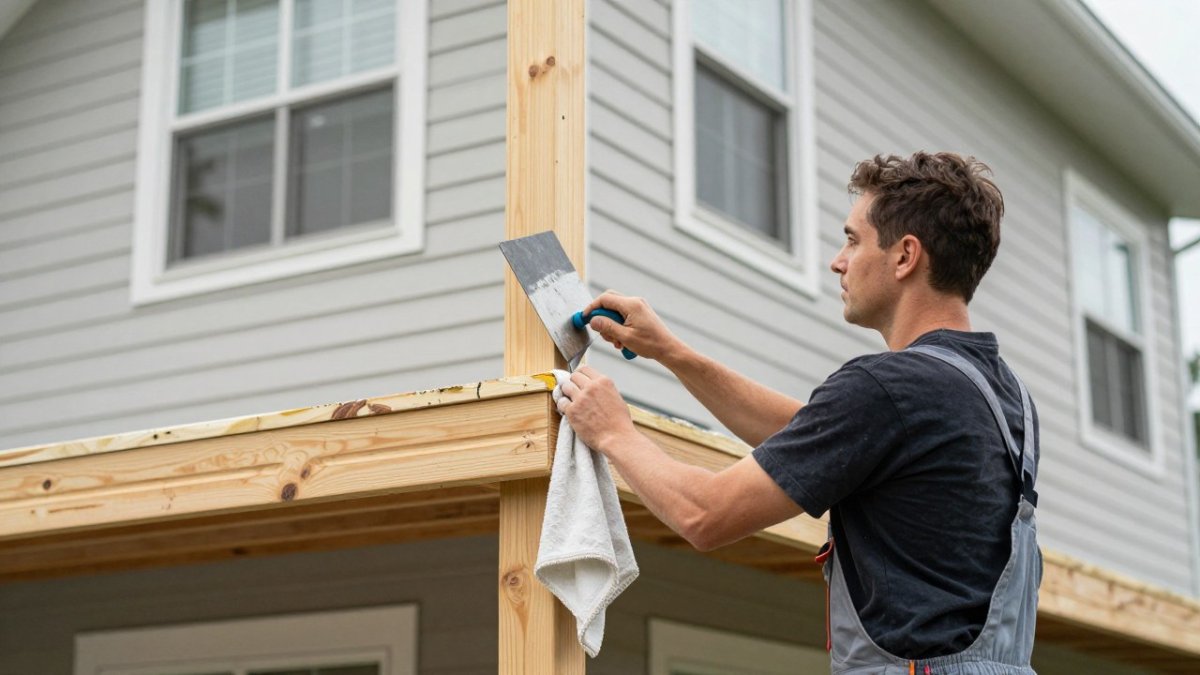
- Home size and stories. More area and more height mean more time and materials.
- Surface condition. Peeling paint, rot or damaged caulk add prep time.
- Siding material. Wood, stucco, brick and vinyl each need different prep and paint.
- Paint quality. Higher-grade exterior paint costs more but often covers better and lasts longer.
- Trim and detail work. Fascia, soffits, shutters and doors take careful, slow work.
- Access. Steep roofs, tight lots and tall gables require extra equipment.
A painter who walks the property and inspects each surface can give you a far more accurate estimate than one who quotes from the street.
Booking Your Exterior Painting Estimate With Always Pro Painters
Accurate pricing starts with an on-site inspection. Our approach is built around detailed surface preparation and a final walkthrough to ensure the finished job meets your expectations.
To get a clear number for your home, book an exterior painting estimate with our team, or request a free estimate from our team. Our exterior painting service covers what goes into a quality finish, and you can review it before you decide.
Frequently Asked Questions
How much should it cost to paint the exterior of a 2,000 square foot house?
Exterior painting cost for a 2,000 square foot house depends on paintable surface area, the number of stories, the condition of the siding, and the paint quality chosen. Because painters price by the actual surfaces to be covered, the gable ends, trim, fascia and soffits all count toward the total, not just the footprint. Pricing varies widely by project, so the most reliable figure is a written estimate based on an on-site walkthrough. Always Pro Painters offers a free estimate for your specific home.
What is the average cost to paint a house exterior per square foot?
Contractors often estimate exterior painting per square foot of paintable surface, but the rate changes with the material, the height of the walls and how much preparation is needed. Surfaces that require power washing, scraping, caulking or siding repair take more labor than a clean, sound wall. A per-square-foot number is useful only when it is applied to measured paintable area and includes primer where needed. Ask any painter to show how the rate was calculated so you can compare quotes fairly.
Is it cheaper to paint a house or put siding on it?
Painting is usually the lower up-front cost when the existing siding is sound, because it avoids material removal and replacement. Siding becomes more competitive when the surface is badly damaged, rotted or needs extensive repair before any coating will hold. Paint must be refreshed on a maintenance cycle, while new siding is a longer-term investment with a different cost structure. Compare a written paint estimate with a siding quote for the same home before deciding.
What factors make exterior house painting more expensive?
The biggest cost drivers are the size of the home, the number of stories, steep roof lines that require scaffolding or ladder work, extensive trim and fascia, and the amount of surface preparation needed. Repairs to damaged wood, mold and mildew removal and caulking also add labor. Higher-end paint products and multiple coats increase material costs. Ask the painter to break the quote into labor, materials and prep so you can see exactly what you are paying for.