 comparison
Professional Painting vs DIY: Cost, Time & Quality
Table of Contents
- Professional Painting vs DIY Painting: The Core Differences
- Professional Painter vs DIY Cost: Breaking Down the Numbers
- How Long Does It Take to Paint a House
- DIY Painting Tools and Supplies You'll Need
- Benefits of Hiring Professional Painters
- DIY Painting vs Professional: Which Projects Suit Each Approach
- How to Choose: A Decision Framework
- Frequently Asked Questions
Last Updated: October 20, 2026
Professional Painting vs DIY Painting: The Core Differences
When considering professional painting vs DIY, you're looking at fundamentally different approaches to refreshing your space. The choice hinges on three factors: upfront cost, time commitment, and finish quality. At Always Pro Painters, we've worked with homeowners who've tried both paths, and the decision rarely comes down to money alone.
When you hire a professional painter, you're paying for expertise in surface preparation, application technique, and problem-solving. DIY painting puts control in your hands but demands your time, skill, and tolerance for mistakes. The real difference emerges in how long the finish lasts and how it looks six months from now.
Professional Painter vs DIY Cost: Breaking Down the Numbers
The cost comparison between professional painting and DIY painting requires looking beyond the sticker price. Both paths involve real expenses, the question is which ones you'll absorb and which you'll avoid.
DIY Upfront Costs
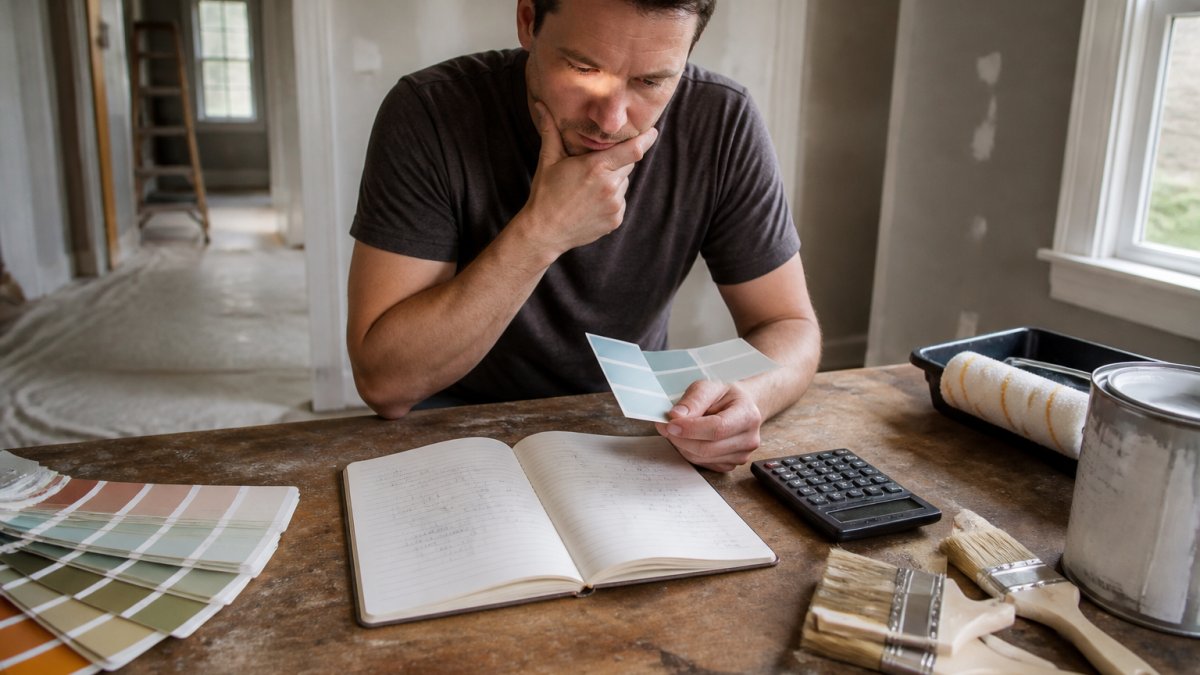
DIY painting demands investment in equipment and materials before you apply a single coat. Paint is only part of the expense. You'll need brushes, rollers, drop cloths, painter's tape, sandpaper, putty knives, and primer.
Surface preparation materials add up quickly. Sanding blocks, spackling compound, caulk, and cleaning supplies are non-negotiable. Many homeowners discover mid-project they need additional tools: a paint sprayer, extension poles, or scaffolding for high ceilings and exterior work.
A typical DIY interior painting project requires investment in supplies and materials, depending on surface condition and paint quality. That's before accounting for mistakes that demand repainting or professional correction.
Professional Labor and Service Costs
Professional painting services bundle labor, expertise, and materials into a project-based fee. Cost varies by scope: interior versus exterior, surface condition, trim complexity, and local market rates. Rather than speculate on pricing, Always Pro Painters recommends getting a detailed estimate that breaks down labor, materials, and preparation work separately.
The professional painter's cost reflects their time, skill, insurance, and equipment. They bring specialized tools, scaffolding, spray systems, and surface-preparation machinery most homeowners don't own, manage waste disposal and cleanup, and guarantee their work with warranties DIY projects can't offer.
Hidden Costs and Long-Term Savings
DIY painting rarely stays within initial budget estimates. Surface damage discovered during prep, water stains, mold, drywall damage, forces a choice: fix it yourself (adding time and cost) or call a professional mid-project.
Time is a hidden cost. A professional painter completes a full interior refresh efficiently; a homeowner working evenings and weekends might stretch the same project across months of disruption, furniture moved, rooms unusable, dust and odor throughout your home.
Professional painting protects your long-term investment. Proper surface preparation and application extend paint durability by years, and a professional finish resists peeling, fading, and wear far better than hastily applied paint.
How Long Does It Take to Paint a House
Project timeline shapes the decision for many homeowners. Knowing realistic timeframes helps you plan around work, school, and daily life.
DIY Project Timeline
A DIY painting project moves at the pace of your availability. Surface preparation, cleaning, sanding, patching, and priming, typically consumes 40-60% of total time. Many homeowners underestimate this phase and rush through it, which directly undermines finish quality.
For a three-bedroom interior, expect 40-80 hours of actual work spread across several weeks, plus drying time between coats. Painting evenings and weekends, a 60-hour project translates into 2-3 months of calendar time with furniture shifted, rooms disrupted, and paint smell lingering.
Exterior painting extends timelines further. Weather becomes a factor, you can't paint in rain or high humidity, drying time stretches, and ladder work demands more caution and slower progress.
Professional Painting Timeline
A professional painting crew completes most interior projects in 5-10 business days, depending on scope and surface condition. They work methodically through preparation, priming, and application without the stop-start rhythm of weekend warriors, coordinating schedules to minimize disruption.
For commercial spaces or complex residential projects, timeline predictability matters enormously. If you're selling your home and need a refresh before listing, a professional painter delivers results on a fixed schedule. DIY introduces uncertainty, if you hit unexpected surface damage or run out of time, your project stalls.
DIY Painting Tools and Supplies You'll Need
Starting a DIY painting project without the right equipment sets you up for frustration and poor results.
Essential Equipment and Paint Supplies
Quality brushes make a visible difference. Invest in angled sash brushes for trim and larger brushes for walls. Rollers matter equally: the nap (pile thickness) determines coverage and finish. A 3/8-inch nap works for most drywall; smoother surfaces need shorter naps.
Paint comes in multiple finishes: flat, eggshell, satin, semi-gloss, and gloss. Eggshell and satin work for most interior walls; gloss suits kitchens and bathrooms where durability and washability matter.
Drop cloths protect floors and furniture, plastic sheeting and painter's tape seal off areas you're not painting, extension poles reach high walls and ceilings safely, and a paint stirrer ensures color consistency.
Surface Preparation Materials
Sandpaper in multiple grits (120, 150, 220) smooths existing paint and prepares surfaces for new coats. A sanding sponge works in corners, spackling compound fills small holes, and caulk seals gaps between trim and walls.
A putty knife removes loose paint and old caulk, TSP or a degreaser cleans surfaces, and primer creates a uniform base, especially over stains, dark colors, or new drywall.
Many DIYers skip or skimp on prep materials, then wonder why their finish looks blotchy. Surface preparation materials aren't optional, they're the foundation for professional-looking results.
Benefits of Hiring Professional Painters
Professional painting services deliver advantages that extend far beyond the initial application.
Finish Quality and Attention to Detail
A professional painter produces smooth, consistent coverage that's difficult for DIYers to achieve. They understand how light hits surfaces, how to avoid brush marks and roller stipple, and how to cut clean lines where walls meet trim or ceiling.
Attention to detail distinguishes professional work. They correct imperfections most homeowners miss, ensure uniform coverage and seamless transitions, and protect your floors, furniture, and fixtures with precision.
The finish quality compounds over time. Professional paint application resists chipping, peeling, and fading far better than rushed DIY work. A professional finish still looks fresh after five years; DIY projects often show wear within two.
Expertise in Surface Preparation and Repairs
Professional painters assess surface condition and recommend the right approach. They identify water damage, mold, or structural issues before painting and know when to repair drywall, patch plaster, or replace damaged trim, decisions DIYers often make poorly or avoid.
Surface preparation separates professional results from amateur ones. Professionals sand, prime, and seal correctly, fill gaps that undermine finish quality, and understand how drywall, plaster, wood, and metal each require different preparation and primer strategies.
This expertise prevents costly mistakes. A professional won't paint over mold or moisture problems that will resurface within months, or apply paint to unprepared surfaces that peel within a year. They solve problems before they become expensive rework.
Risk Reduction and Warranty Protection
Professional painting comes with accountability. Most professional painters offer warranties guaranteeing the finish will hold up under normal conditions.
DIY painting carries no such protection. If your paint fails, you're responsible for diagnosis, materials, and rework. That's not just an inconvenience, it's a financial risk.
Professional painters carry liability insurance, so if they damage your property during the job, their insurance covers repairs. They follow safety protocols, manage waste disposal and cleanup per environmental regulations, and handle the logistical complexity so you don't have to.
DIY Painting vs Professional: Which Projects Suit Each Approach
The right choice depends on your specific circumstances, not just cost.
When DIY Makes Sense
DIY painting works best for small, low-stakes projects with straightforward surfaces. A single bedroom with flat, undamaged walls and no trim complexity is manageable for a motivated homeowner, as is a garage interior or utility room where finish perfection matters less.
DIY suits projects where you have time flexibility and can absorb delays. If you're not on a deadline, you can work around weather, drying time, and your own schedule, and it makes sense if you enjoy the work rather than view it as a burden.
Consider DIY only if your surfaces are in good condition. Pristine drywall with no damage, stains, or moisture issues dramatically simplifies the project.
When to Hire a Professional
Hire a professional for complex projects: exterior painting, high ceilings, intricate trim work, or multiple surface types.
Professional painting is essential when surface condition is uncertain. Water stains, mold, or structural damage require expertise to diagnose and address. Professionals know when to repair before painting and how to prevent problems from recurring.
Hire a professional if you value your time. If you're working full-time or juggling family commitments, the 60-80 hours a DIY project demands represent real opportunity cost. A professional completes the work in days while you focus on your priorities.
Professional painting makes sense for commercial spaces, rental properties, or any situation where appearance directly impacts business or investment value.
How to Choose: A Decision Framework
Your decision hinges on four factors: budget, timeline, surface condition, and complexity.
Timeline: If you're on a deadline, selling your home, preparing a rental, or refreshing a commercial space, professional painting is the only realistic option.
Surface condition: Inspect your surfaces honestly. Flat, undamaged drywall with no stains or moisture issues is DIY-friendly.
Complexity: Simple rooms with flat walls and minimal trim are DIY candidates. High ceilings, extensive trim work, multiple surface types, or exterior painting require professional skill.
| Factor | DIY Painting | Professional Painting |
|---|---|---|
| Upfront cost | Lower | Higher |
| Time commitment | You handle it | Professional handles it |
| Surface prep required | You handle it | Professional handles it |
| Finish quality | Variable; depends on skill | Consistent; guaranteed |
| Warranty or guarantee | None | Typically included |
| Risk of rework | High | Minimal |
| Best for | Small, simple projects | Complex projects, tight timelines, high-stakes results |
The choice between professional painting and DIY painting isn't really about money, it's about what you value most.
Frequently Asked Questions
Is it cheaper to paint a house yourself or hire a professional?
DIY painting has lower upfront costs for paint and supplies. Professional painting services cost more initially but often deliver better long-term value. Professionals complete work faster, reduce rework risk, and provide finish quality that lasts longer, offsetting the higher labor expense. The true cost depends on your project size, skill level, and whether mistakes require repainting.
What is the professional painter vs DIY cost difference for a typical interior painting project?
DIY costs focus on materials: paint, brushes, rollers, drop cloths, and prep supplies. Professional services include labor, expertise, equipment, surface preparation, and repairs. While DIY saves on labor, professionals often complete larger projects more efficiently, reducing overall disruption. Professionals also handle complex surfaces like trim, ceilings, and kitchens more effectively, avoiding costly mistakes that DIY painters commonly encounter.
How long does it take to paint a house if I hire a professional versus doing it myself?
DIY painting for a typical house takes longer, depending on skill level, drying time between coats, and surface preparation. Professionals typically complete the same project more efficiently. Professional crews work faster because they have multiple team members, use efficient techniques, and manage prep work and touch-ups systematically. Time savings also mean less disruption to your daily routine.
What are the main benefits of hiring professional painters instead of doing it myself?
Professional painters deliver superior finish quality, clean lines, and consistent coverage. They handle surface preparation thoroughly, including sanding, patching, and priming, which DIY painters often skip. Professionals also manage drying time efficiently, reduce dust and mess, and complete projects faster. Their expertise minimizes mistakes, rework, and the risk of uneven color or premature paint failure, protecting your investment long-term.