 comparison
Interior vs Exterior Painting Cost: 2026 Guide
Table of Contents
- Interior vs Exterior Painting Cost: What Homeowners Pay
- Interior House Painting Cost: Breakdown by Room and Size
- Exterior House Painting Cost: Labor, Materials, and Prep
- Cost Per Square Foot: How Painters Calculate Estimates
- Getting an Accurate House Painting Estimate
- Interior Painting Project Timeline: How Long Does It Take?
- Key Factors That Drive Painting Costs Up or Down
- Conclusion
- Frequently Asked Questions
Last Updated: October 21, 2026
Interior vs Exterior Painting Cost: What Homeowners Pay
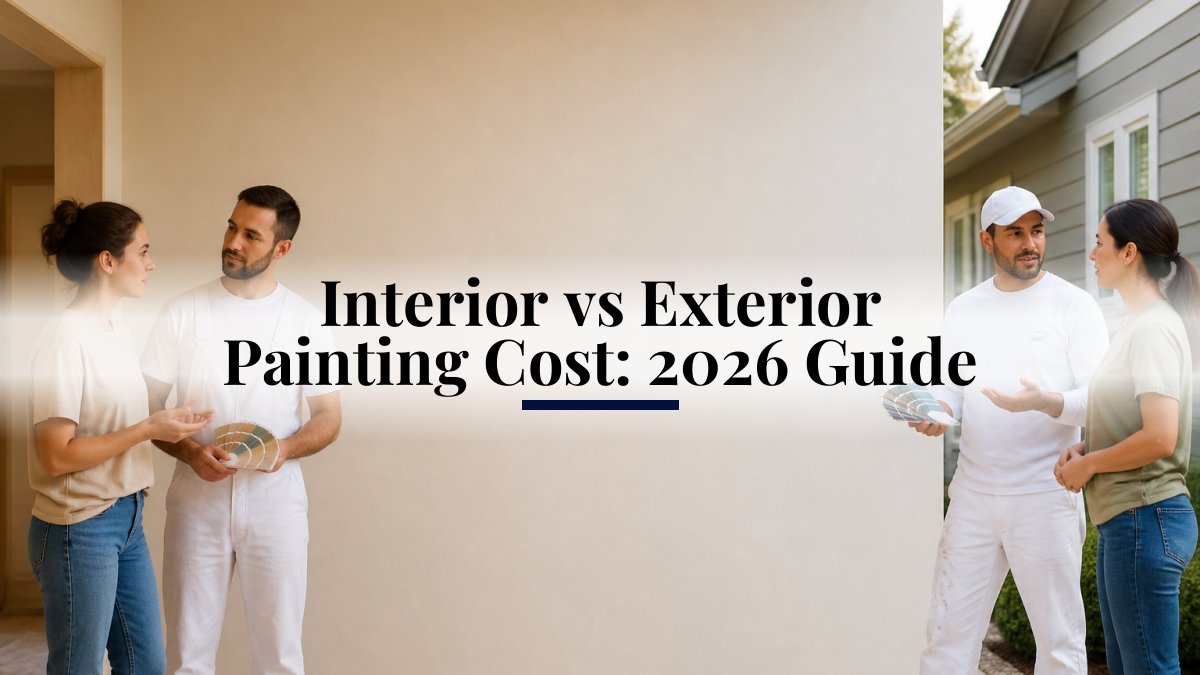
When you're ready to refresh your home, understanding the interior vs exterior painting cost difference is essential before getting quotes. The price gap between interior and exterior work is significant, and knowing why helps you budget accurately and spot inflated estimates.
Interior and exterior painting are fundamentally different projects with different labor demands, material requirements, and timelines. Interior work focuses on precision, clean lines, smooth finishes, and minimal disruption to your living space. Exterior work demands weather resistance, surface durability, and protection against the elements. These differences drive costs in opposite directions.
At Always Pro Painters, we've helped homeowners across the Chicago area understand what they're actually paying for when they invest in professional painting. The difference isn't just about square footage. It's about surface preparation, material quality, access challenges, and the skill required to deliver a finish that lasts.
Interior House Painting Cost: Breakdown by Room and Size
Interior painting costs depend on room size, wall condition, and the complexity of trim work. A typical interior project includes walls, ceilings, doors, and trim, with labor representing the largest expense.
Most homeowners find that smaller rooms cost less per square foot than larger open spaces because painters spend more time on trim, corners, and detail work proportionally. A bedroom might run one price per square foot, while a living room with cathedral ceilings and built-in cabinets costs significantly more.
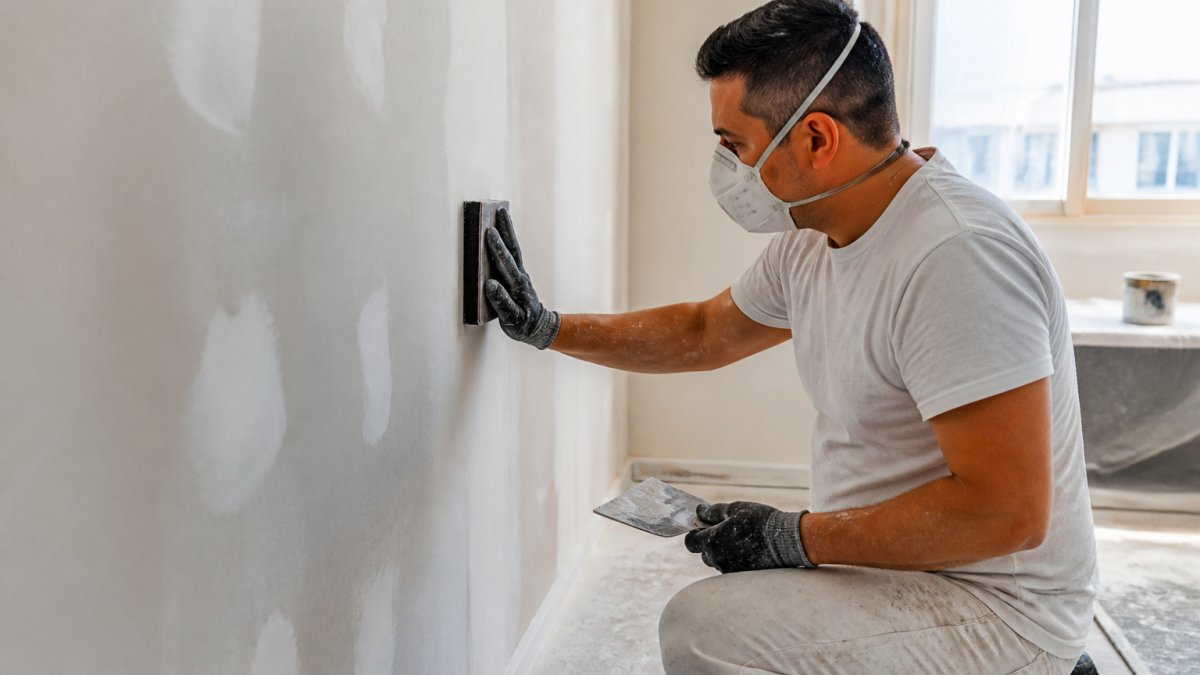
Surface preparation is where interior costs can climb unexpectedly. If walls have damage, stains, or poor paint adhesion, the prep work, patching drywall, sanding, priming, adds hours to the project. A room that looks simple on the surface might require extensive repairs before paint goes on.
The number of coats affects interior costs too. Most interior work requires two coats for even coverage, but some colors demand three. Primer is usually necessary as a separate step when covering dark colors, stains, or glossy surfaces. Each additional coat means more labor time and materials.
Interior painting project scope also matters. Are you painting walls only, or walls plus ceilings? Do the doors and trim get painted? Cabinet refinishing, a specialty service, commands premium pricing because it requires sanding, priming, and multiple thin coats to avoid brush marks.
Exterior House Painting Cost: Labor, Materials, and Prep
Exterior painting costs more than interior work for reasons that become obvious once you understand what's involved. Weather, access, surface condition, and durability requirements all push exterior pricing higher.
Labor represents the bulk of exterior painting cost. Painters work on ladders, scaffolding, or lifts to reach siding, soffits, fascia, and upper-story walls. This takes longer than interior work and carries safety considerations that require experience and insurance. A two-story exterior takes significantly more labor hours than a single-story home.
Surface preparation for exterior painting is more intensive than interior prep. Siding may need pressure washing to remove dirt, mold, and algae. Rotted wood sections require replacement or stabilization. Caulking around windows, doors, corner boards, and sills is essential to prevent water infiltration, this alone adds substantial labor. Scraping old, peeling paint is common on exterior surfaces and takes considerable time.
Material costs for exterior painting are higher because exterior paint must withstand UV exposure, temperature swings, and moisture. Premium exterior paints cost more than interior equivalents but deliver better durability and color retention. The volume of paint needed for siding, trim, and multiple coats represents a significant material expense.
Exterior painting also depends on the surface type. Wood siding demands different prep and paint than fiber cement or vinyl. Stucco requires specialized techniques. Metal gutters and downspouts need specific primers and finishes. Each surface type changes the labor approach and material selection.
Cost Per Square Foot: How Painters Calculate Estimates
Painters use cost per square foot as a baseline, but the number only means something when you know which surfaces it covers and what prep is bundled in. Two estimates can quote the same rate and land thousands of dollars apart once you compare scope.
Interior per-square-foot ranges. For wall area only, most professional interior work includes two coats and standard prep. Add ceilings and the effective rate climbs, because ceiling area is often as large as the wall area in a bedroom and requires more careful cut-in around fixtures.
Exterior per-square-foot ranges. Exterior work typically runs higher, and the spread widens with height and complexity. A single-story ranch with wide siding sits near the low end. A two-story home with dormers, multiple roof lines, and extensive trim pushes toward the high end because every gable and fascia run adds ladder work and cut-in time.
What the rate usually includes, and what it doesn't. A defensible per-square-foot rate generally covers labor, standard surface prep (cleaning, light scraping, spot priming, caulking), and the paint itself. It usually does not cover major repairs, lead-safe handling on pre-1978 homes, cabinet refinishing, or specialty finishes. Ask specifically whether the rate assumes two coats or three, and whether primer is a separate line item.
Why paintable area beats footprint. A 2,000-square-foot two-story home has more exterior wall surface than a 2,000-square-foot single-story home of the same footprint, because the second story adds wall height without adding floor area. Indoors, ceilings and closets add paintable area that a footprint number misses entirely.
How to convert a rate into a real estimate. Multiply the measured paintable area by the quoted rate, then add the line items the rate excludes: trim, doors, ceilings, repairs, and any specialty coatings. Compare that total, not the headline rate, against competing bids.
Getting an Accurate House Painting Estimate
A reliable house painting estimate requires detailed information about your project, and the best estimates come from in-person visits where the painter can assess actual conditions.
Provide painters with specific information: room dimensions or total square footage, current paint condition, surface type (drywall, wood, plaster), and any repairs needed. Photos of problem areas, water stains, peeling paint, damaged trim, help painters understand scope without guessing.
Ask the painter to walk through the estimate with you. What prep work is included? How many coats? What paint quality are they recommending? Are there areas that require special attention or additional cost? A thorough explanation shows that the painter understands the job and isn't just throwing out a number.
Get multiple estimates, but don't automatically choose the lowest. A significantly lower estimate often means the painter is cutting corners, skipping prep work, using lower-quality materials, or underestimating the labor required. When one estimate is dramatically cheaper than others, ask specifically what's different about their approach.
Always Pro Painters provides detailed estimates that break down labor, materials, surface preparation, and any repairs discovered during the initial walkthrough. We include a final walkthrough in our process to ensure every detail meets your expectations before we consider the project complete.
Interior Painting Project Timeline: How Long Does It Take?
Interior painting timelines depend on project size, surface condition, and the number of coats required. Understanding realistic timelines prevents frustration and helps you plan around the work.
A single bedroom typically takes one to two days for a professional painter, longer if repairs are needed. Larger spaces like living rooms or open floor plans take three to five days. A full-house interior refresh usually requires time accounting for drying time between coats and any prep work that surfaces.
Drying time between coats adds to the overall timeline. Most interior paints require 4-8 hours between coats, but humidity and temperature affect this. In cooler or more humid conditions, drying takes longer. Professional painters account for this and schedule work accordingly rather than rushing and compromising the finish.
If surface preparation is extensive, drywall patching, sanding, priming stained areas, the timeline stretches. A room with significant damage might spend more time in prep than in actual painting. This is where quality matters: proper prep creates a smooth, durable finish that lasts years longer than rushed work.
Key Factors That Drive Painting Costs Up or Down
Most pricing articles list cost drivers in the abstract. The more useful exercise is to run the same house through both an interior and an exterior scope with stated assumptions, so you can see where the dollars actually diverge and how to read competing bids.
A like-for-like comparison. Take a 2,000-square-foot two-story home with average condition surfaces, two coats throughout, standard prep, and no major repairs.
Surface condition is the primary cost driver. New drywall or well-maintained surfaces cost less to paint than damaged, stained, or poorly prepared surfaces. Water stains, mold, smoke damage, and peeling paint all require additional prep steps that add labor hours.
Paint quality and coat count. Premium paints cost more upfront but cover better, require fewer coats, and last longer. Budget paints may seem cheaper initially but often require more coats and deteriorate faster, especially on exterior surfaces exposed to UV and weather.
Architectural complexity and access. Homes with detailed trim, coffered ceilings, built-in cabinets, or complex exterior trim require more labor than simple, open designs.
Seasonal timing. Exterior painting is weather-dependent. Application generally requires surface and air temperatures above roughly 50°F and dry conditions through the curing window, which narrows the practical exterior season in this region and can push scheduling and pricing during peak spring and summer demand.
Repairs discovered during prep. Rotted wood, hidden water damage, or structural issues that surface once prep begins require disclosure and approval before proceeding. A thorough walkthrough upfront identifies these issues rather than discovering them mid-job.
How to compare bids and control costs. Ask every painter for an itemized estimate that separates labor, materials, prep, repairs, and paint specifications. Confirm the product line and sheen, the number of coats, whether primer is included, and what the warranty covers.
Conclusion
Understanding the gap between interior vs exterior painting cost helps you budget accurately and evaluate estimates intelligently. Interior work demands precision and careful surface preparation; exterior work requires durability, weather protection, and significant labor for safe access and complex prep.
When you're ready to move forward with a professional painting project, Always Pro Painters delivers a comprehensive property refresh built around the finish, not the rush. We provide detailed surface preparation, clean lines, and a solid finish without shortcuts. Our meticulous process, from drywall repairs to cabinet refinishing, culminates in a final walkthrough to ensure every detail meets your expectations.
Request a free estimate from Always Pro Painters today to get an accurate breakdown of labor, materials, and timeline for your specific project. We'll walk you through exactly what's included and answer any questions about how we price our work.
Frequently Asked Questions
How much does it cost to paint a full house interior?
Interior painting costs depend on home size, room count, wall condition, paint quality, and local labor rates. Pricing varies significantly based on whether walls need repairs, sanding, or primer. Contact Always Pro Painters for a free estimate tailored to your specific project and home condition.
Is interior or exterior painting more expensive?
Exterior painting usually costs more per square foot due to higher labor complexity, safety equipment, weather delays, and extensive surface preparation like scraping, sanding, and rot repairs. Interior projects avoid these overhead costs but may include trim work, caulking, and multiple coats. Always Pro Painters evaluates both to provide accurate pricing for your specific needs.
What factors affect the cost of interior painting?
Key cost drivers include home size and paintable surface area, wall condition (repairs and priming needed), paint quality and number of coats, trim and ceiling work, color changes requiring primer, and labor hours. Surface preparation, sanding, patching, caulking, adds cost but prevents poor finish. Always Pro Painters includes detailed prep in estimates to ensure a solid finish.
How long does interior house painting take compared with exterior painting?
Interior projects depend on size and prep work. Exterior painting takes longer due to weather, access challenges, surface condition checks for rot, and drying time between coats. Always Pro Painters provides realistic timelines during the estimate phase and works to meet your project deadline without cutting corners.